|
|
#201 | ||
|
Quote:
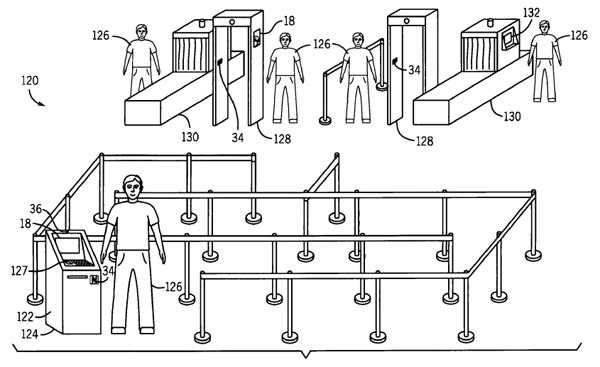
Thats right. For everyone bitching that there was no NFC actually in the iphone 5, the question as to why people believed it would have NFC is because Apple has been actively throwing patent applications at the patent office for NFC related tasks. http://www.engadget.com/tag/apple,nfc,patent A strong example is the patent that was recently awarded for "Airport Checkin" The text of this patent is: Quote:
![]() Thats right. Apple has patented using NFC to check in at an airport. not the software of doing it. Not the actual chips for doing it. not the booths, not the receptacles. They patented the ACT of checking in with NFC. That means if any other company develops an actual system to do this, Apple would legally have every right to sue and stop them, Even if apple never actually releases their own NFC. This is a perfect example to me of both patents that are too broad in scope and definition, that outline the outcome of a task and not the tasks themselves to complete it, and of a patent being done exclusively to inhibit innovation by blocking other companies from doing what they were trying to do in the first place (as NFC was designed exclusively for this sort of task alongside payment). While they haven't actually sued anyone over this yet, owning it gives them this power.
__________________
Hardware Agnostic for life 11" Macbook Air 2011 64gb/2gb, Ipod touch 1st Gen, Ipad2 Custom Desktop: A2 x4 3.4ghz, 16gb RAM, 560ti Blackberry Playbook, Samsung Note II |
|||
|
|
2
|
|
|
#202 |
|
A side comment:
I think another sad situation can happen when one company buys another for their patents and/or employee knowledge, and discontinues some/all of their best products without building newer versions. E.g. Apple bought Fingerworks in 2005 and ever since then, their unique multi-touch keyboards have no longer been available. Used ones command high prices. That's a loss for the world, and especially for people with hand stress injuries. |
|
|
|
3
|
|
|
#203 | |
|
Quote:
1. A method for transportation ticketing check-in, comprising: prompting a traveler to place a handheld electronic device comprising a display and a plurality of wireless communication interfaces within range of a near field communication (NFC) reader, wherein the display is configured to display a graphical user interface, wherein each of the plurality of wireless communication supports a respective communication protocol, and wherein one of the plurality of wireless communication interfaces comprises an NFC interface; retrieving ticketing and traveler identification information from the NFC interface of the handheld electronic device via the NFC reader; and verifying the traveler's identity using the retrieved traveler identification, wherein verifying the traveler's identity comprises comparing a photograph retrieved from the handheld electronic device to the traveler. Basically, it's almost as bad. They're claiming the idea of using photos, fingerprints or retinal scans from the device as identity verification when using the ticket. Clever? Sure. Something that's obvious to an expert in the field of handhelds and purchase verification? Also yes. For that matter, probably most people in this forum could think of this idea. What's the difference between using those identification techniques for unlocked a phone vs unlocking a transportation ticket. Or a bank account. Or a house lock. It's all just one more tiny variation on the same theme. Last edited by kdarling; Oct 10, 2012 at 02:50 PM. |
||
|
|
2
|
|
|
#204 |
|
the continuation on the slide to unlock patent is ridiculous (saw it was granted yesterday)
|
|
|
|
0
|
|
|
#205 | |
|
Quote:
This is where I "draw the line" and say that with patents getting approved/extended like this - it stifles innovation/competition. |
||
|
|
1
|
|
|
#206 | |
|
Quote:
__________________
Yo' mama's so STUPID, she went to Bangkok to get a TIE Fighter. |
||
|
|
0
|
|
|
#207 | ||
|
Quote:
Quote:
If you want companies to just get licenses to practice without any exclusivity, well that is what Lodsys and every other troll is offering: "Just pay me some money and I'll go away." As I've said before, your rule (3) does not make any improvement. |
|||
|
|
0
|
|
|
#208 | ||
|
Quote:
![]() You're forgetting that the patent-troll companies right now don't *have* any more (or fewer) employees than they'd have in your scenario. They're legal entities which exist for no purpose other than the filing of law suits. And yes, sketchy. If you don't actually own the copyright/patent in question it takes some serious legal finagling to be able to sue on behalf of the owner *without* exposing the owner to potential legal repercussions. Law firms, for example, act explicitly as *agents* of their clients. If they do something, it can come back to bite the *client* legally unless there's a solid paper trail of the lawyer acting against the wishes of the client (which opens them up to malpractice claims and potential disbarment). See Righthaven for an example of how well this works when you have an entity without ownership rights suing third-parties for violations. (Copyright and patents are different, but similar enough for comparison in this scenario.) Quote:
Well, let's just say your misunderstanding of things doesn't make rule 3 bad.
__________________
17" MBP (unibody), 2.66GHz i7, 8GB RAM, 750 GB HDD; iPhone 4s 64GB/Black |
|||
|
|
0
|
|
|
#209 | |||
|
Quote:
Quote:
Quote:
You cannot grant an exclusive license to somebody and just shrug when other people violate the same patent. Otherwise, what would be the difference between buying one of many licenses and an exclusive license? One way or another there will be a lawsuit. |
||||
|
|
0
|
|
|
#210 | |
|
Quote:
|
||
|
|
0
|
|
|
#211 | |
|
Quote:
That's very clumsy. The simplest option, IMO, is to ignore patents and just carry on innovating, making money, and persuading consumers to buy your product (marketing). So what if others copy? If your product is superior, then consumers will buy it. The amount of money spent on patents, state protection, and lawsuits is absurdly high and, in the end, it's the consumer who pays for it in more ways than one. |
||
|
|
0
|
|
|
#212 | |
|
Quote:
Rule, if you invent it . Go get it patented immediately. Its the only way we got right now, its broken in many ways. But, if you want to have that patent to protect your idea from being stolen, its what we got. |
||
|
|
0
|
|
|
#213 | |
|
Quote:
If I invent something and you come along and improve on it, then that means that the consumer wins by getting a better product (and cheaper, thanks to competition). If I invent something mediocre and want to criminalise you for improving on it, then we all lose in the end. |
||
|
|
0
|
|
|
#214 | |
|
Quote:
|
||
|
|
0
|
|
|
#215 |
|
|
0
|
![]() |
|
«
Previous Thread
|
Next Thread
»
| Thread Tools | Search this Thread |
| Display Modes | |
|
|
All times are GMT -5. The time now is 11:07 AM.


Linear Mode