


Become a MacRumors Supporter for $50/year with no ads, ability to filter front page stories, and private forums.

MacRumors

macrumors bot
Original poster
Apr 12, 2001
70,780
42,705


Apple's rumored plan to split its iPhone launch cycle beginning this year has gained additional credibility, with a new report from Nikkei Asia corroborating earlier claims from The Information, Bloomberg, and Apple analyst Ming-Chi Kuo.
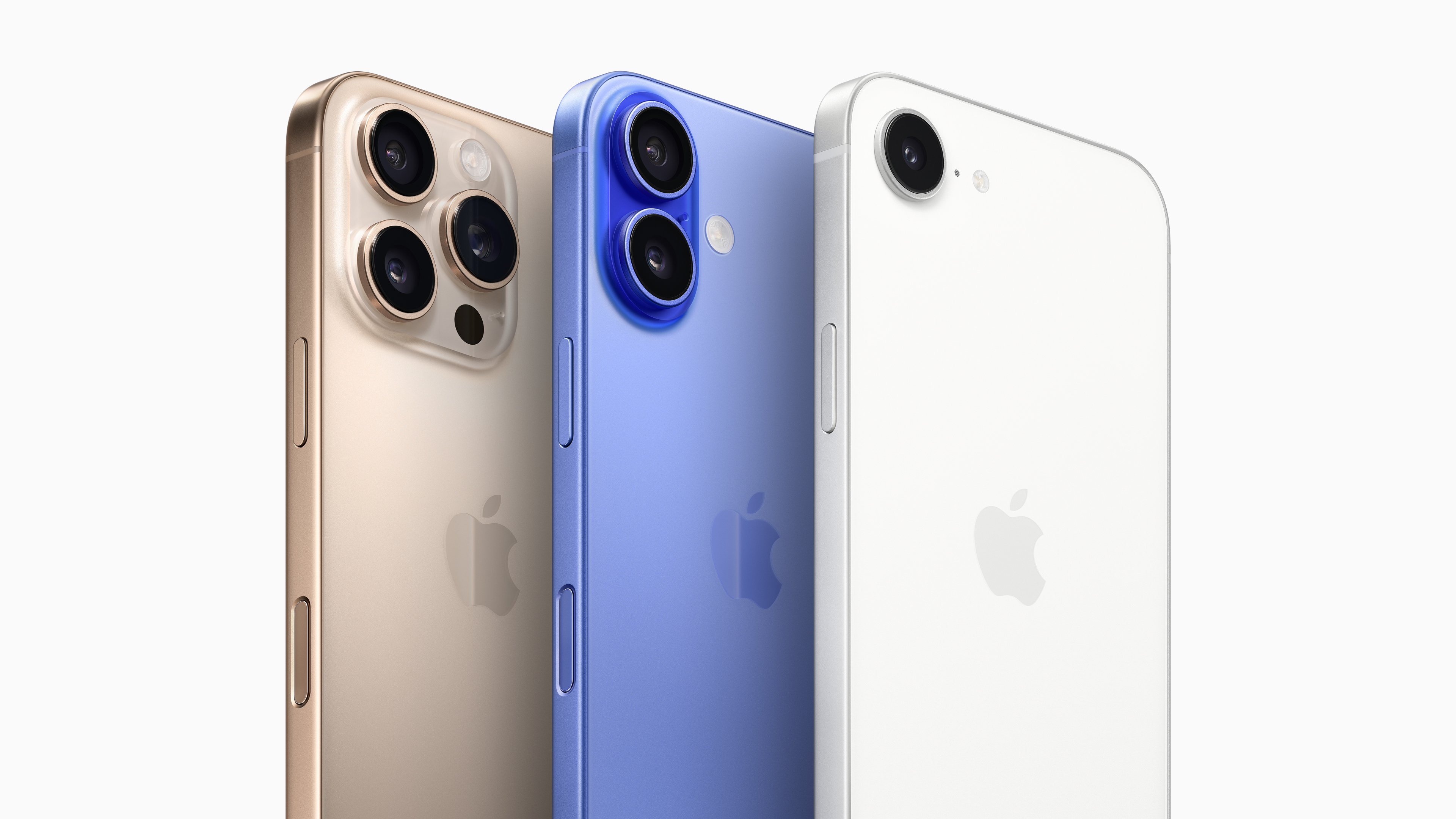
Apple-iPhone-16-family-lineup.jpg

According to Nikkei's sources, Apple will prioritize its first foldable iPhone along with iPhone 18 Pro and iPhone 18 Pro Max models for the second half of 2026, while the standard iPhone 18 will ship in the first half of 2027.

An updated iPhone 18e is also expected to appear in the first half of 2027. Nikkei's report does not mention this. It does note however that a second-generation iPhone Air is in Apple's pipeline, though it is not expected this year.

The staggered approach aims to both optimize resources and maximize Apple's revenue from premium models amid rising memory chip costs and supply chain pressures, according to the report.

One supplier executive told Nikkei that a smoothly functioning supply chain is "one of the key challenges" this year, adding that a marketing strategy change also factored into Apple's decision to prioritize its premium devices.

The report also notes that Apple is facing additional pressure as some of its suppliers have shifted resources toward AI companies like Nvidia, Google, and Amazon. Notably, Apple explicitly mentioned iPhone supply constraints during its recent earnings call on Thursday.

The pressure comes at a key time for Apple's ambitious new device: mass producing a foldable iPhone requires more complicated manufacturing techniques and new materials, so it's crucial for Apple to minimize production issues leading up to and during its expected launch in the fall.

For Apple's part, it has not officially confirmed any changes to its traditional annual fall iPhone release schedule.

Article Link: Apple's New Split iPhone Launch Strategy Corroborated in Latest Report
 
Last edited:
Staggered release helps flatten out both supply chain component ordering, and revenue flow, otherwise huge spikes in both. Apple also spaces out product launch dates for the same reasons. Apple has been doing this worldwide, now they are doing it in the US market as well.
 
  • Like
Reactions: SFjohn
And here I thought they finally come to their senses and made the standard iPhone the best-all-around iPhone just like at the beginning and not marginalizing it whatsoever, and instead offering the Pro's as the further luxury models.

Unless ...the one's at the beginning of the year, are are the "new" models with the new features and the ones mid year Pro's and Max are the further upgraded ones, then the base iPhone gets marginalized and they should never be. Never. Because it marginalized the entire brand.
 
  • Like
Reactions: Bitácora
  • Like
Reactions: iPAU
So Pro phones first and low-entry ones last.

Low-entry Macs way first (regular M chip) and Pros last ( Max, Ultra )

Personally, I would prefer the opposite!
 
A ridiculous measure to persuade shopaholics who have no patience to buy the pro version.


I hope it backfires.
It could also have to do with them going to 2nm on the A20 chips. If yields are bad, they might not expect to have enough supply for both the base and Pro

Would we rather have the base iPhone launch a few months later, or have it with last year’s chip again like iPhone 14/15? I think I’d pick the former. Plus I’d bet fewer people buying base models are upgrading on launch day, compared to the Pro
 
  • Like
Reactions: SFjohn
So Pro phones first and low-entry ones last.

Low-entry Macs way first (regular M chip) and Pros last ( Max, Ultra )

Personally, I would prefer the opposite!
The regular and Pro iPhones use essentially the same chips, just slightly tweaked or binned, whereas the Pro/Max/Ultra chips are significantly different from the standard MX used in the Air and iPad.

Personally I think it all comes down to supply chain/yields on the chips. The Pro/Max/Ultra are probably harder to manufacture than the base MX, whereas for iPhones they’re essentially the same but supply is constrained, so they’re prioritizing Pro phones, as they should since most early adopters are probably buying those anyway
 
  • Like
Reactions: SFjohn
Register on MacRumors! This sidebar will go away, and you'll see fewer ads.