Apple is planning to release its first foldable iPhone in fall 2026 alongside the iPhone 18 Pro and iPhone 18 Pro Max. We don't know the name of the foldable iPhone yet, but rumors suggest that Apple might be planning to call it the "iPhone Ultra."
iPhone Ultra was a name that was first rumored for a high-end iPhone 16 model, but Apple didn't end up using the name. Now it's sounding like the iPhone Ultra name might actually be used.
Foldable iPhone Design
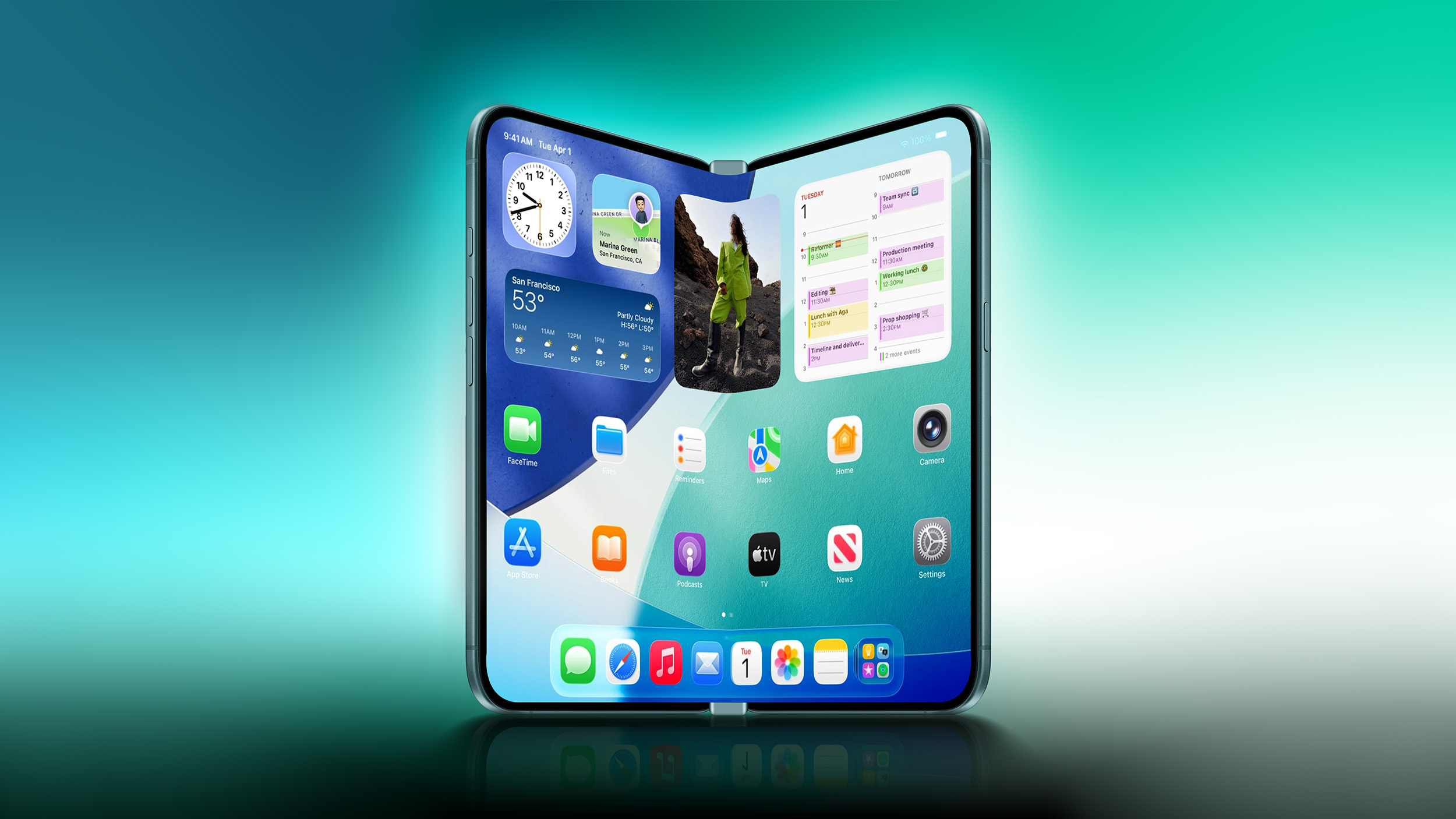
Apple tested several fold styles and device sizes, including smartphones with a middle fold that opens horizontally into an iPad-sized device and a clamshell design that folds in half vertically. Apple went with the book-style foldable that will have an outer display and camera that can be used when the iPhone is closed, and a larger, inner display that offers more screen space.
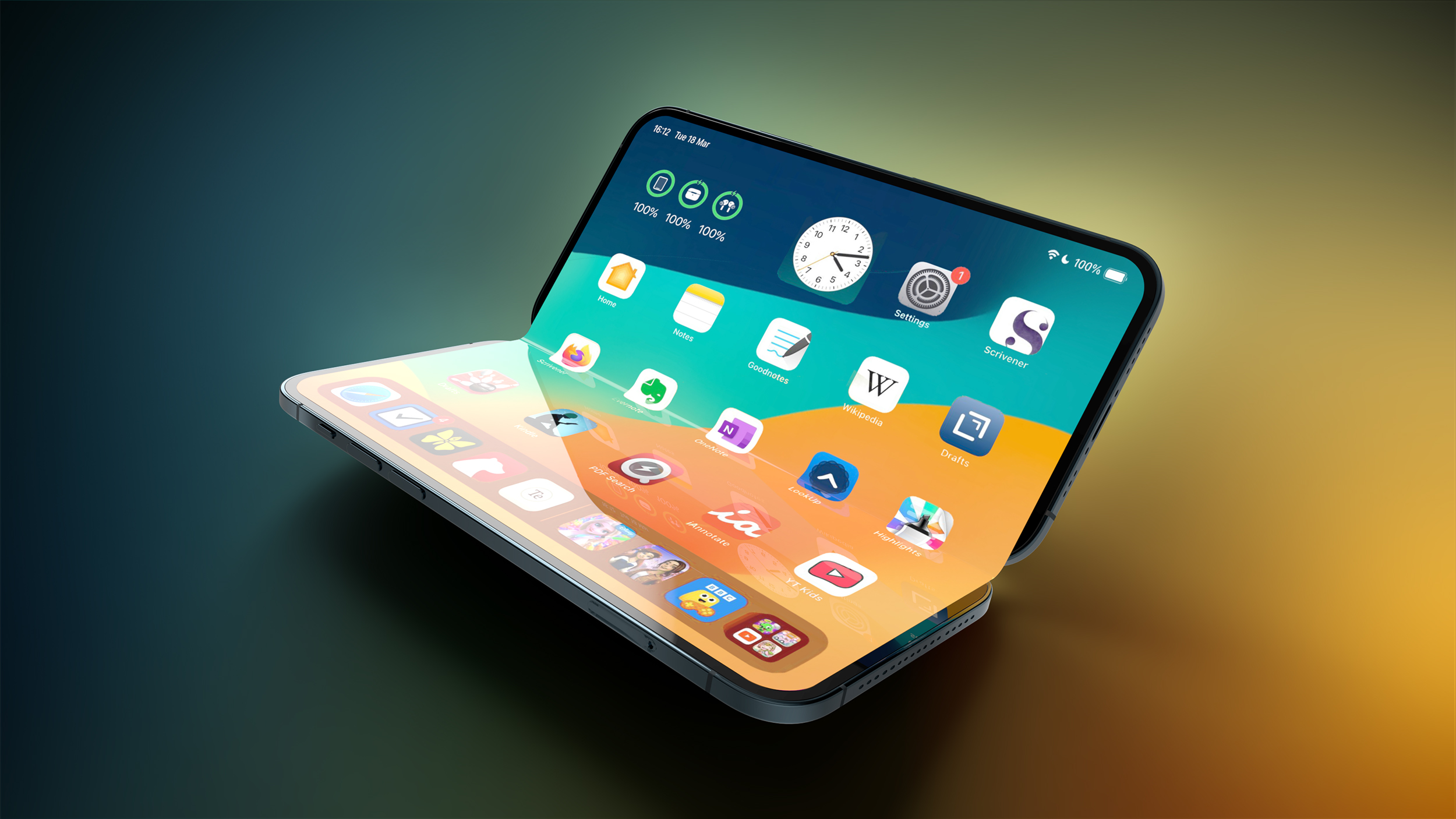
The foldable iPhone could have a titanium alloy casing with a hinge made from stainless steel and titanium with liquid metal components, and there could be a dual-lens rear camera along with a single front-facing camera.
Analyst Jeff Pu believes the foldable iPhone will have a frame that's made from titanium and aluminum. Apple could use titanium for the stress bearing parts of the frame to ensure that it doesn't bend, and aluminum in other areas for heat dissipation and to keep weight low.
Apple analyst Ming-Chi Kuo believes that Apple might not opt for Face ID, instead installing a Touch ID side button. It's possible that would allow Apple to save valuable real estate inside to keep the device as thin as possible, but it would be a definite change as Apple just eliminated Touch ID from the iPhone lineup with the launch of the iPhone 16e.
Apple will need to overhaul iOS to be able to better transition from a small display to a larger display, but luckily iPadOS already exists. The foldable iPhone will allegedly have a display with a 4:3 aspect ratio, much like the iPad.
Size
Current rumors suggest that the foldable iPhone will feature a display that's around 5.5 inches when it's folded in half, and a larger 7.8-inch iPad-like display when it's opened up.
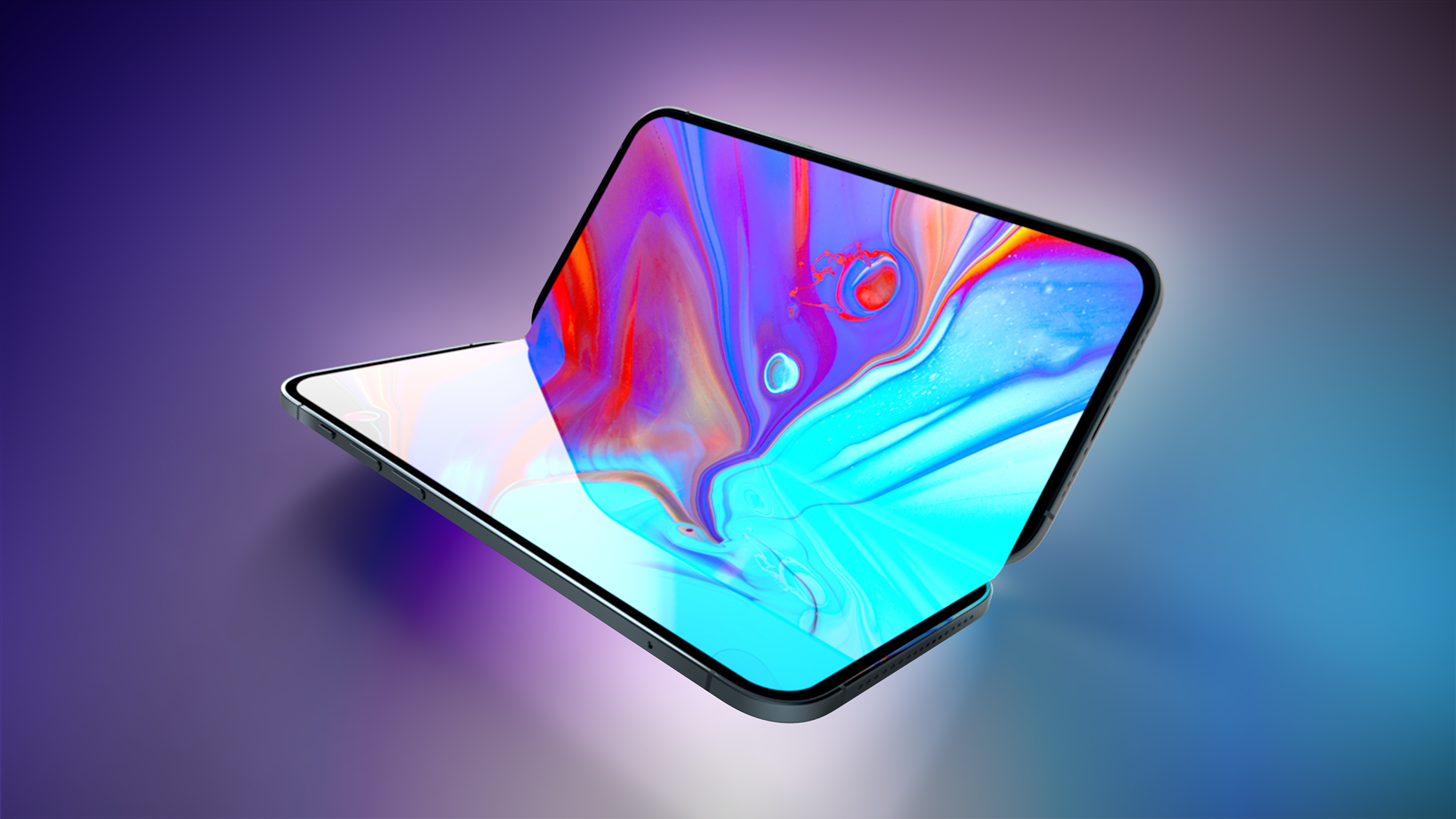
It could be as thin as 4.5mm when it is unfolded, and 9mm to 9.5mm when it is closed. If it is 4.5mm, when open, the foldable iPhone will be Apple's thinnest device by far. That title is currently held by the 12.9-inch iPad Pro, which is 5.1mm thick. Some rumors suggest it will be a few millimeters thicker, but it is expected to be thinner than current iPhones.
According to one leaker, the inner (unfolded) display will measure in at 7.76 inches with a 2,713 x 1,920 resolution, while the outer display (folded) will measure in at 5.49 inches with a 2,088 x 1,422 resolution and a 4:3 aspect ratio. Another leaker has suggested it will have a 7.6-inch display size when unfolded.
Minimal Crease
The 2026 foldable iPhone reportedly has no visible crease, a problem that affects most foldable devices on the market. Apple is said to have pursued eliminating the crease "regardless of cost," and the company has developed a "new material property" that makes the crease disappear. The crease has been described as "nearly invisible" when the iPhone is unfolded.
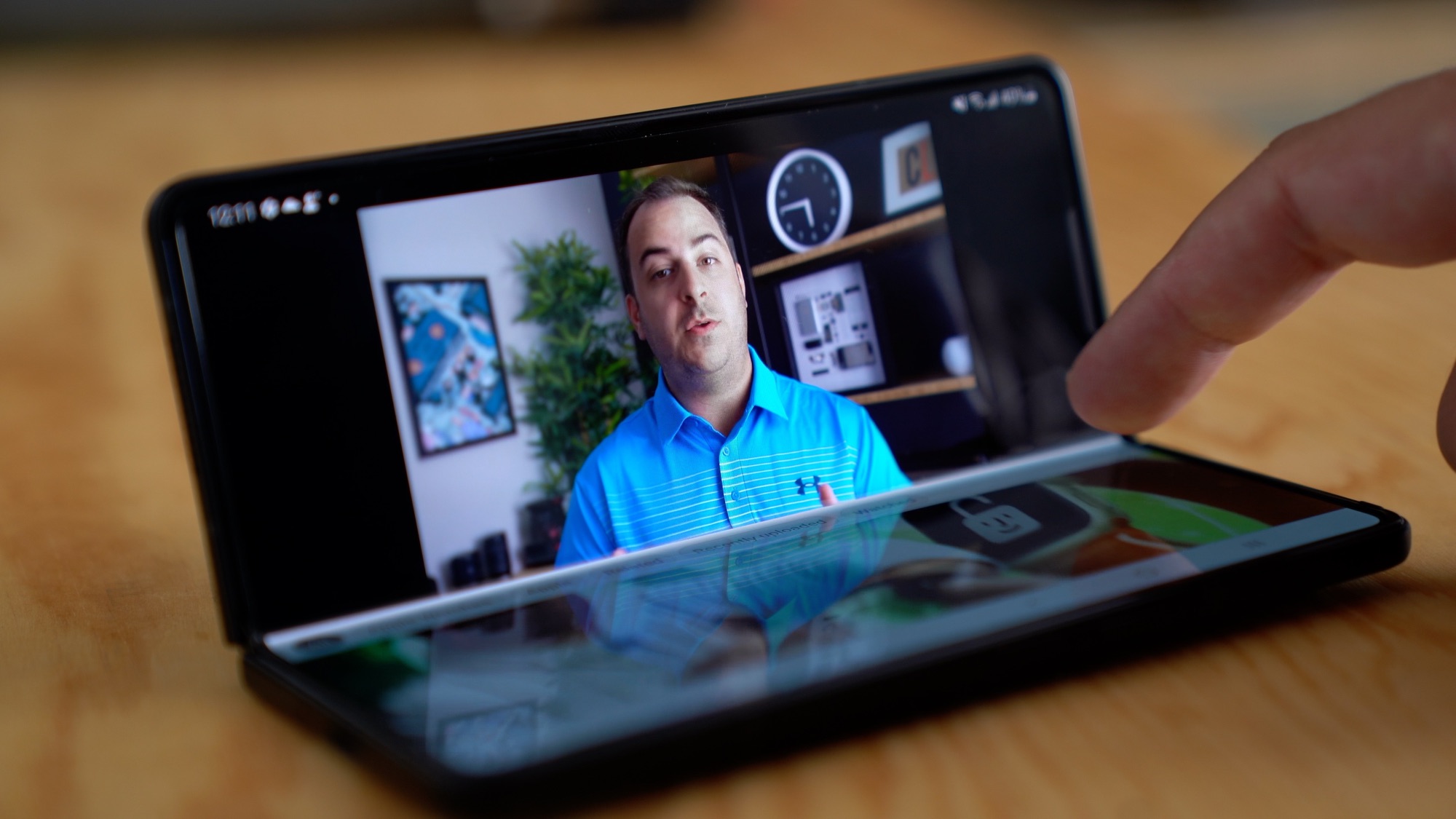
Samsung's Galaxy Z Fold
One of the reasons that Apple waited so long to release a foldable iPhone is because it struggled to make a device that did not have a visible crease, but it may be a problem that has now been largely solved given the uptick in rumors.
Apple is planning to use ultra-thin glass for the foldable iPhone, and Chinese manufacturer Lens Technology could be Apple's primary glass supplier. Corning is likely to provide the raw materials to Lens Technology, with Apple choosing the supplier because of its expertise in glass strengthening and minimizing side cracks after cutting.
The foldable iPhone will use a new type of display panel created by Samsung, using a custom display process that Apple has the trademark for. The process includes integrating touch sensors directly into the display panel, reducing overall thickness by approximately 19 percent. The engineering advancement brings a lighter build and a more rigid display structure, and the display meets Apple's requirements for thinness, power efficiency, and brightness.
Apple could use a structural glass mid-frame to minimize the visible display crease in the fold, while applying a color filter-on-encapsulation layer together with a circular polarizer module to improve color purity and light transmission.
Advances in optically clear adhesive (OCA) have been important in Apple's quest to minimize the visible crease in the iPhone Ultra. Very subtle shifts in alignment of the display panel components can cause micro-cracks or deformation, leading to a visible crease. OCA formulations stay pliable during gradual bending, and can flow into microscopic irregularities to reduce light scattering and the visibility of the crease.
Leakers suggest the iPhone Ultra will have a crease depth that's under 0.15mm, which is shallow and should be less noticeable to the eye and to the touch than a crease that is deeper. The crease angle is under 2.5 degrees. The crease angle describes how sharp the fold line appears when the display is unfolded. A smaller angle suggests a smo... Click here to read rest of article
Article Link: iPhone Ultra: Rumors About Apple's Foldable iPhone
- Article Link
- https://www.macrumors.com/guide/iphone-ultra/
Last edited: