
Become a MacRumors Supporter for $50/year with no ads, ability to filter front page stories, and private forums.

MacRumors

macrumors bot
Original poster


Apple is moving more decisively to reduce its reliance on Chinese manufacturers ahead of the launch of a wave of new products with OLED panels, DigiTimes reports.
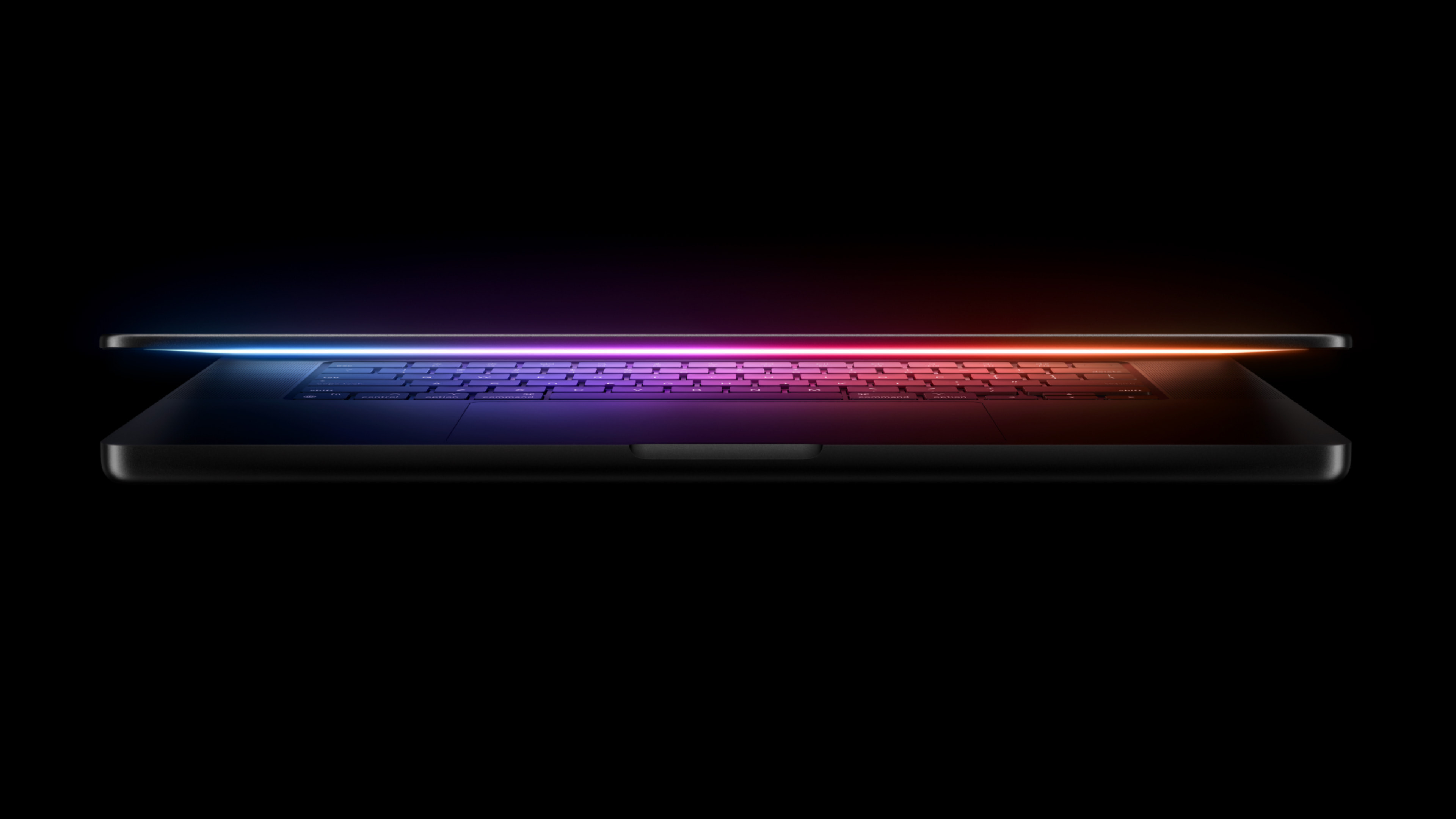
Apple-MacBook-Pro-M4-hero.jpg

Apple has apparently accelerated efforts to diversify its OLED sourcing away from Chinese suppliers such as BOE, which have historically played an important role in the company's display supply chain. The impact on BOE has already been substantial. DigiTimes says the company's dedicated Apple OLED production line in Mianyang, Sichuan saw utilization rates fall from approximately 82% in 2024 to 48% by February 2026.

Shipments to Apple have also declined sharply, dropping by more than 40% compared to initial expectations. OLED panel shipments from Sichuan to Apple's assembly partners in Vietnam fell by over 50% year over year in February, underscoring the speed of the transition.

In place of Chinese suppliers, Apple is increasingly depending on reliable South Korean display manufacturers such as Samsung Display and LG Display. DigiTimes says future Apple devices, including the iPhone 18 Pro, the first foldable iPhone, and upcoming MacBook Pro and iPad mini models, are expected to depend predominantly on OLED panels sourced from these companies. All of these products are expected to launch this year, with OLED coming to the MacBook Pro and iPad mini for the first time.

The realignment reflects a broader shift in Apple's component sourcing strategy that has been underway for several years, as the company seeks to mitigate supply chain risk. Apple has already diversified final assembly across countries such as India and Vietnam.


Article Link: Apple Bracing Display Supply Chain for Wave of New OLED Devices
 
And let's not forget that Apple was quite unhappy with BOE because of this incident:

 
  • Like
Reactions: artifex
Samsung is their biggest competitor, but it seems like half the inside of an iPhone is made of Samsung parts. Kind of funny to think about, in my opinion.
 
  • Like
Reactions: tongxinshe


Apple is moving more decisively to reduce its reliance on Chinese manufacturers ahead of the launch of a wave of new products with OLED panels, DigiTimes reports.

Apple-MacBook-Pro-M4-hero.jpg

Apple has apparently accelerated efforts to diversify its OLED sourcing away from Chinese suppliers such as BOE, which have historically played an important role in the company's display supply chain. The impact on BOE has already been substantial. DigiTimes says the company's dedicated Apple OLED production line in Mianyang, Sichuan saw utilization rates fall from approximately 82% in 2024 to 48% by February 2026.

Shipments to Apple have also declined sharply, dropping by more than 40% compared to initial expectations. OLED panel shipments from Sichuan to Apple's assembly partners in Vietnam fell by over 50% year over year in February, underscoring the speed of the transition.

In place of Chinese suppliers, Apple is increasingly depending on reliable South Korean display manufacturers such as Samsung Display and LG Display. DigiTimes says future Apple devices, including the iPhone 18 Pro, the first foldable iPhone, and upcoming MacBook Pro and iPad mini models, are expected to depend predominantly on OLED panels sourced from these companies. All of these products are expected to launch this year, with OLED coming to the MacBook Pro and iPad mini for the first time.

The realignment reflects a broader shift in Apple's component sourcing strategy that has been underway for several years, as the company seeks to mitigate supply chain risk. Apple has already diversified final assembly across countries such as India and Vietnam.


Article Link: Apple Bracing Display Supply Chain for Wave of New OLED Devices
Diversifying suppliers is the best strategic move as relying only to one supplier or one country as the only supplier will make a business vulnerable for any risks resulting from any unexpected unfortunate events that supplier encounters and /or affect relationships between the business and the supplier. Glad to hear Apple has taken the strategic move.
 
Last edited:
Diversifying suppliers is the best strategic move as relying only to one supplier or one country as the only supplier will make a business vulnerable for any risks resulting from any unexpected unfortunate events that supplier encounters and /or affect relationships between the business and the supplier. Glad to hear Apple has taken the strategic move.

Spot-on assessment.
 
  • Like
Reactions: vinklarek
Now that we have the MacBook Neo to occupy the entry MacBook tier, please give the MacBook Air OLED soon - the Air no longer has to try to be the "affordable" entry model and can be the light and powerful no-compromise laptop for executives.
While I would like that also, I figure it’s a couple years out at the least, after the MBP OLED option hits the streets.
 
Now do RGB stripe OLED.
I don't think RGB OLED is even necessary on MacOS. RGB OLED is just a hardware fix for a Microsoft software problem.

Windows needs RGB OLEDs because of the way fonts are rendered; specifically clear-type not supporting newer OLED subpixel layouts. All Microsoft needs to do is update clear-type to support different pixel layouts, but they have not done anything to improve it in the last 7 years.
 
  • Like
Reactions: HouseLannister
Samsung is their biggest competitor, but it seems like half the inside of an iPhone is made of Samsung parts. Kind of funny to think about, in my opinion.
Samsung makes really good hardware. You can feel any number of ways about their software but there aren't a lot of companies on Earth playing at their scale/quality.
 
Samsung is their biggest competitor, but it seems like half the inside of an iPhone is made of Samsung parts. Kind of funny to think about, in my opinion.
It's cool, though. Takes advantage of others' actual (or relative) efficiencies. On the other hand, Apple can choose a new supplier whenever someone else has the latest state of the art technology, and when that happens the old supplier is generally stuck with the older technology until it pays to upgrade its manufacturing lines. Potentially makes Apple more nimble.
 
Diversifying away from a country that will not pursue patent infringement claims and permits blatant intellectual property theft without even pretending to blush at it is always a good thing.
 
  • Like
Reactions: Non-Euclidean
Register on MacRumors! This sidebar will go away, and you'll see fewer ads.