


After more than a year of discussion, Apple and Intel established a preliminary agreement that will see Intel manufacturing processors for Apple devices, reports The Wall Street Journal.
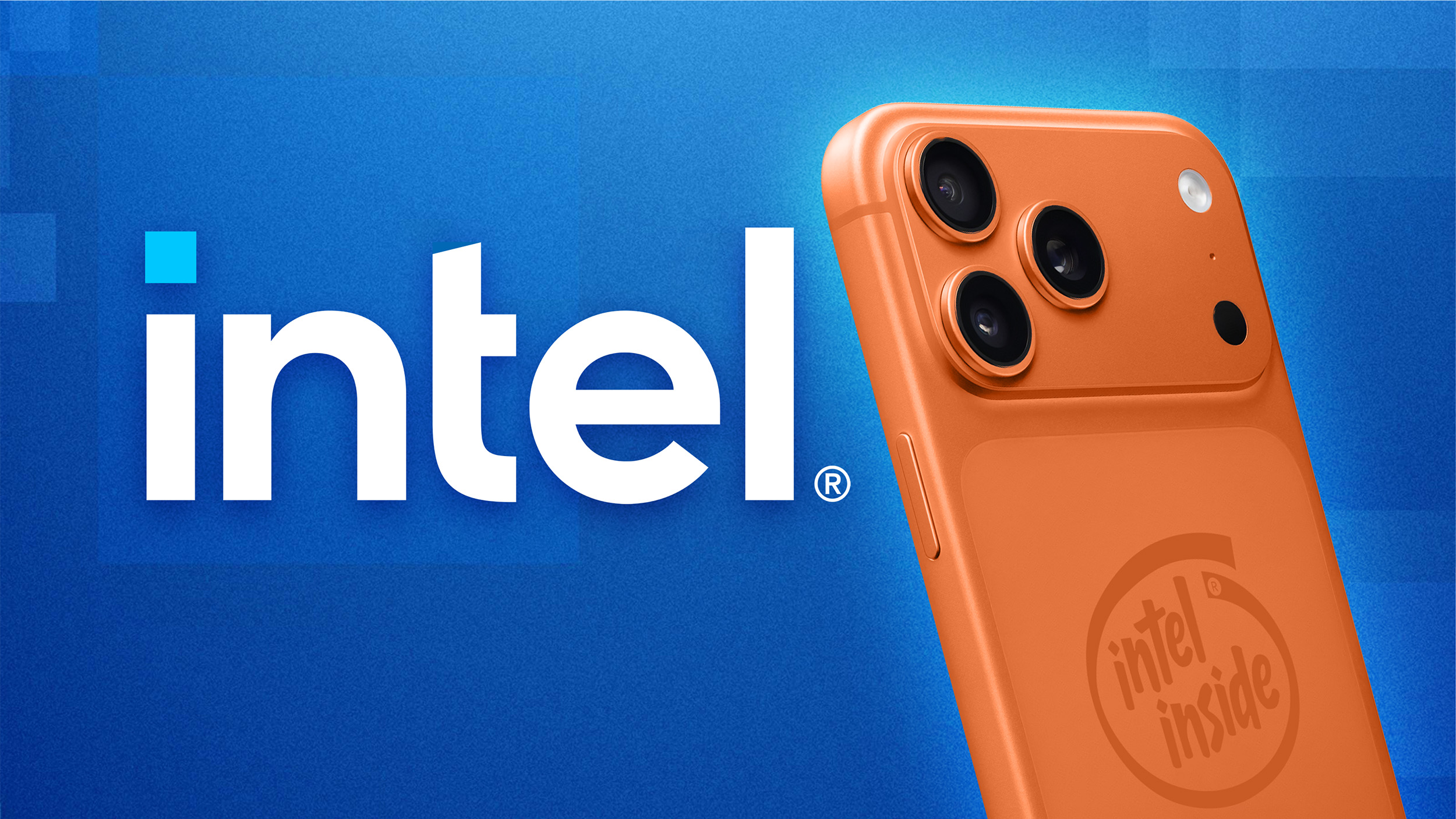
Intel would make chips based on Apple chip designs, much like TSMC. Prior rumors on Intel's Apple talks have suggested Intel could make some of the lower-end processors used in Apple devices, including the lowest-end M-series chip used in select iPad and Mac models.
Before Apple adopted Apple silicon, it used Intel-designed chips for its Macs, but had to deal with continual chip delays. Apple now designs its own Arm chips that are manufactured by TSMC, allowing it to provide updates at a more regular cadence.
Intel makes its own chips, but it also makes chips for other companies. Apple has not previously eyed Intel as a supplier because it has lagged behind other chip makers like TSMC and Samsung, and because of the history between the two companies. Intel replaced CEO Pat Gelsinger with Lip-Bu Tan last year, and Tan has led an effort to revitalize Intel's chip manufacturing business.
Tan has been focusing on Intel's most advanced process node, 14A, which will reach production in 2028. Intel has been seeking customers for its 14A 1.4nm node. Intel also makes 18A chips built on a 1.8nm node, along with chips built on older process nodes.
Apple has been working to diversify its supply chain, because Taiwan Semiconductor Manufacturing Co. (TSMC) is currently its sole Apple silicon manufacturer. During Apple's latest earnings call, CEO Tim Cook said iPhone 17 models had been constrained during the quarter because Apple could not get enough A19 and A19 Pro chips from TSMC.
TSMC is one of the world's largest chip manufacturers, and along with making chips for Apple, it makes chips for other companies like Nvidia. With the AI boom and huge demand for AI servers, TSMC has more limited capacity for chips made for consumer devices, and Apple has less leverage to convince TSMC to make its chips.
Article Link: Apple Could Soon Be Buying iPhone and Mac Chips From Old Frenemy Intel


