

Become a MacRumors Supporter for $50/year with no ads, ability to filter front page stories, and private forums.

MacRumors

macrumors bot
Original poster


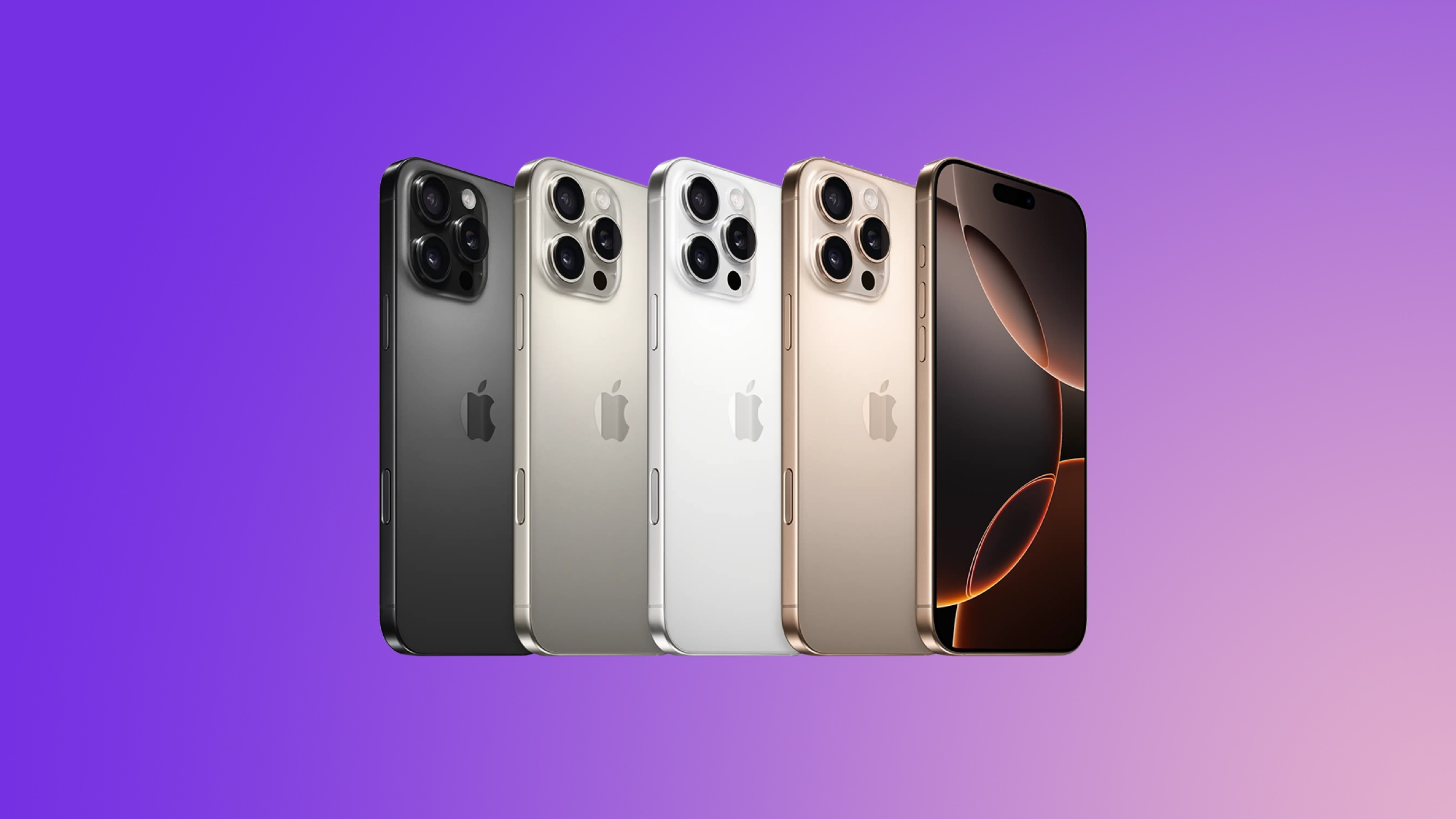
Apple did not infringe on any patents owned by Texas-based company Optis Wireless, a jury ruled today. In a verdict shared by Reuters, the jury decided that Apple did not infringe any of the five LTE patents that Optis sued over back in 2019. If Optis had won, Apple could have faced hundreds of millions in damages.
iphone-16-pro-purple.jpeg

Optis Wireless initially won $506 million from Apple in a 2020 jury trial, but the damages were thrown out after Apple appealed because the jury didn't calculate damages with an understanding of fair and reasonable essential patent (FRAND) terms. A second jury trial was held in 2021 to recalculate damages, and the jury awarded Optis $300 million. Apple again appealed, and the appeals court vacated the $300 million verdict because the district court provided the jury with incorrect instructions.

Apple and Optis were sent back to court for a third jury trial, which leads to today's verdict. With the jury finding in Apples favor, Apple owes Optis nothing. In a statement to Reuters, Apple said it was pleased the jury rejected Optis's infringement claims.
"We thank the jury for their time, and we're pleased they rejected Optis' false claims. Optis makes no products, and its sole business is to sue companies, which it has done repeatedly to Apple in an attempt to obtain an excessive payout."
Optis is likely to appeal the ruling, sending it back to the appeals court again. Apple is also fighting Optis in the UK, where a UK court ordered Apple to pay $502 million. Apple appealed the decision and the UK Supreme Court will hear the case in June 2026.

Article Link: Apple Wins Third Jury Trial Against Optis, Avoiding Hundreds of Millions in Patent Damages
 
“Two years of surgery. Missed my window. Went to law school instead…”

“Made a killing representing Apple in the
Optis case which went back and forth on appeal”
 
What a waste of juries time.
Possibly. The other option is the jury wasted its own time.

In my experience, sometimes juries are convinced by plaintiffs’ attorneys to stick it to whatever company, in order to send a message. Even though it is clear from what the defendants’ attorneys or even the judge tells them that they can’t go that far. The appealing attorneys often have to refer to something like this in the appeal in order to be successful. Juries aren’t law unto themselves. Appellate law is actually remarkably stable and predictable in most areas, as least relatively. Trial courts go off the path a lot more, comparatively. This is true to such an extent that in the majority of places, the skills, expertise and interests are so different that the attorneys who practice in trial law vs appellate law cross over infrequently.
 
Great. Now, when will the disputed Masimo patent expire already do we can get back to viewing out sensor data like normal?

Hey, remember, they claimed the Apple stuff was totally unsafe, and I guess if that's a ripoff of Massimo's stuff, I guess we can make some inferences here about the safety of Massimo's stuff...

I know I'd rather have a Philips telemetry monitor at the hospital.
 
  • Like
Reactions: Paul1964
I’m left wondering if this was case was filed in an Eastern District of Texas, which has become a wildly popular venue for plaintiffs in patent cases. Possibly not, as Apple prevailed in the 3rd (and final?) trial.

East Texas Patent Trials
 
Non-practicing entities (NPEs) are a very peculiar interpretation of the patent protections written into law. I mean, I get that patents have value and that value warrants protection... but why on earth do we allow companies to build literally their entire business around buying somebody else's patent, with no plans at all to ever use that patent for anything but litigation?
 
It's easy to hate patent trolls, but they do serve a purpose. Patents exist for a reason and somebody who created something of value that is patentable should benefit and has a right to sell it.

Bottom line, these patent lawsuits are often valid. Small companies and individuals who created and patented something are often not financially able to assert legitimate rights. Selling their patent to a "troll" might be the only way they can profit.

Large companies like Apple often create something that could be patented but chose not to, as it their right. That's basically the definition of a "trade secret." However, that legitimate veil of secrecy often makes it difficult for the owner of a patent (whether creator or troll that bought it), to confirm whether a patent was violated without suing.

Apple often buys trade secrets, as well. It can be the most important reason why they buy some small companies.

And it's not just patents. Companies buy many forms of IP, such as music rights.
 
Register on MacRumors! This sidebar will go away, and you'll see fewer ads.