


macOS 27 will have a "slight redesign" compared to macOS Tahoe, according to the latest word from Bloomberg's Mark Gurman.
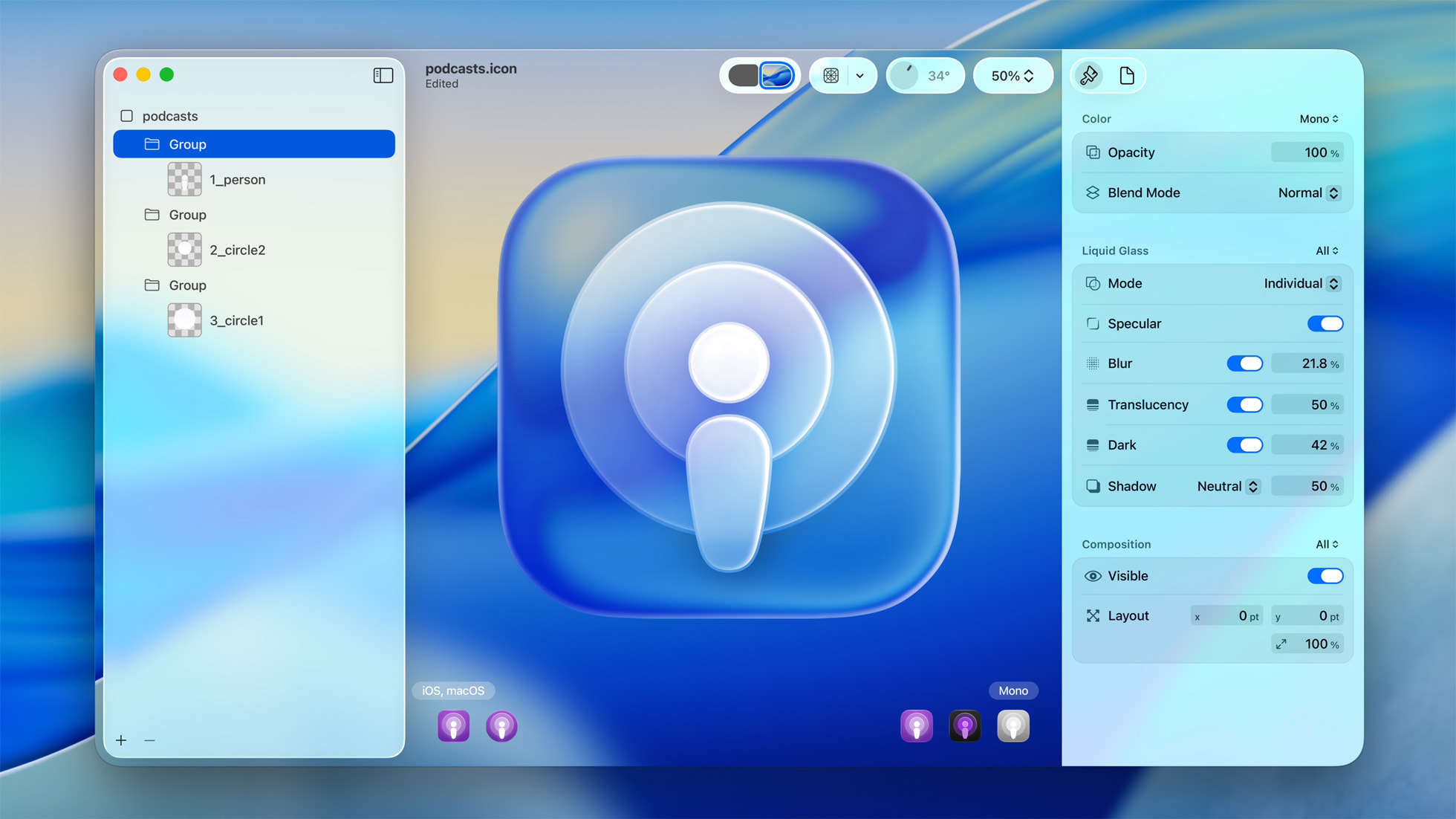
In his Power On newsletter today, Gurman said the design changes will help to improve the readability of macOS Tahoe's Liquid Glass interface:
In addition, Gurman said macOS 27 will have a new Safari feature that can automatically organize browser tabs into groups. This feature, previously revealed by MacRumors, is also expected to be available on iOS 27 and iPadOS 27.If you've used Tahoe, you're likely familiar with some of the quirks — particularly the transparency effects and shadows that can make lists and other text-heavy areas harder to read. The issue is especially noticeable in Control Center, Finder, and apps with sidebars and dense lists. In several places, the new textures reduce text clarity or create interface confusion. [...]
Apple clearly needs to refine the experience for Mac users and make the software feel more polished. I'm told the company is preparing what people internally consider to be a "slight redesign" for macOS 27. With the next update, Apple aims to address the shadows and transparency quirks.
Here is how he described the "Organize Tabs" feature:
Apple will unveil macOS 27 during its WWDC 2026 keynote on Monday, June 8.I'm told that in test versions of iOS 27, the center-top button that users can tap to move between their tab groups has a new option called "Organize Tabs." You can choose whether you want the grouping to occur automatically or not.
The first developer beta of macOS 27 will likely be available immediately following the keynote, and a public beta typically follows in July. Following beta testing, the software update should be released to all users in September.
Related Reading: Apple to Unveil macOS 27 Next Month With These New Features
Article Link: macOS 27: Two More Changes Leaked Ahead of WWDC Next Month
Last edited:


