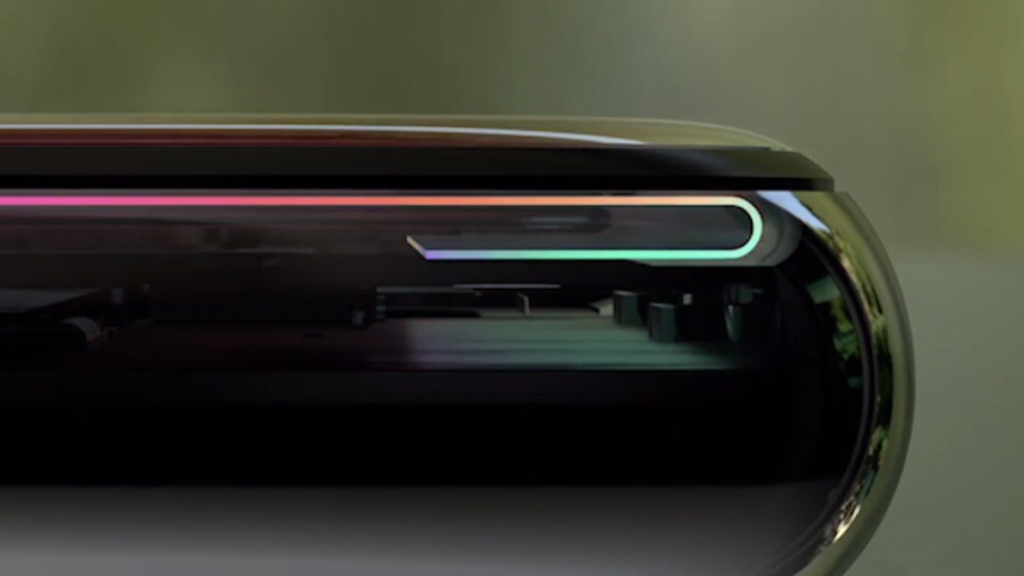
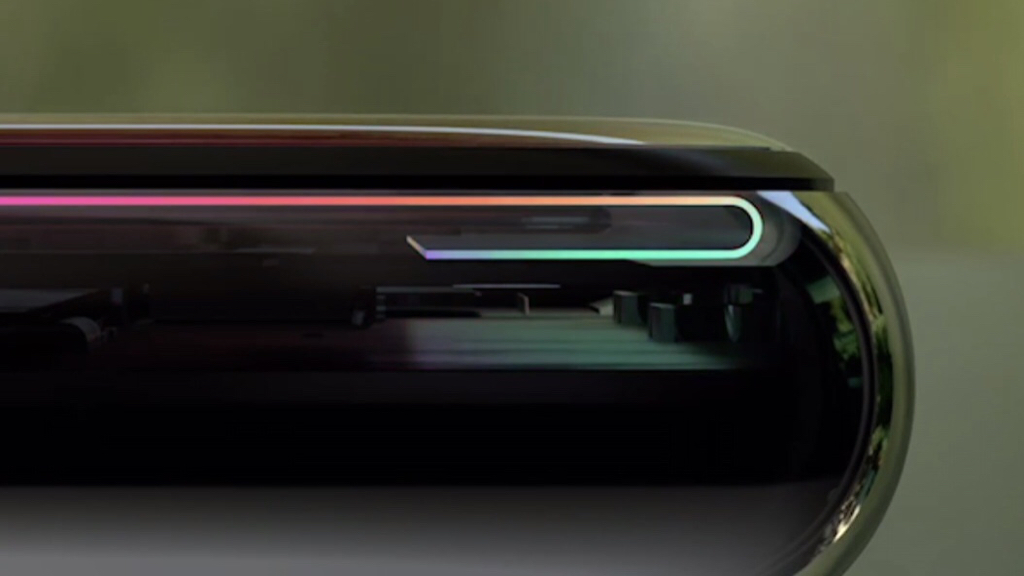
The S9 and S8 both have a vibration function in the home button. Isn't the iPhone's taptic engine thing just to mimic a home button press?
Who really knows. I just feel confident if Samsung could do it (while also including room for a vibration function in the home button, full waterproofing, and room elsewhere for a microSD slot) Apple and Google could, too, if they wanted to.
[doublepost=1529082735][/doublepost]And just to clarify, I'm over the loss of the jack. The Pixel 2 was my daily driver for many months, and I got along without the jack. There were certainly instances I wish I could still use it. I actually use both wired and wireless earphones depending on my situation. I travel for work every few weeks/months, for example, and I prefer a wired solution when I do because I don't want to bring another cable to charge my bluetooth earphones nor do I want to worry about my bluetooth's battery. It'd be great if I could have done that when I was traveling with my Pixel 2.
I understand that's where smartphones are headed and I'm actually all for a wireless future. For argument's sake, I'm simply saying, OEMs can still do both at this point in time -- keep the headphone jack and still offer first party bluetooth accessories. And worse, the reasoning from OEMs, especially big ones like Apple and Google, to not do so sound disingenuous.
Take wireless charging vs wired charging... You don't need to remove one feature for the other. At least in this example, there are good wireless charger options out there. Not so the case with USB-C earphones. With wireless charging, OEMs simply added wireless charging without removing the wired solution. This makes sense and benefits consumers the most, while still pointing us toward a wireless future.
It should be the same strategy with the headphone jack. Thankfully there are OEMs who recognize this. I wish Google was still one of them.