


Apple faced pressure from the White House to use Intel's chipmaking plants while it was negotiating relief from semiconductor tariffs last summer, reports The Wall Street Journal ($).
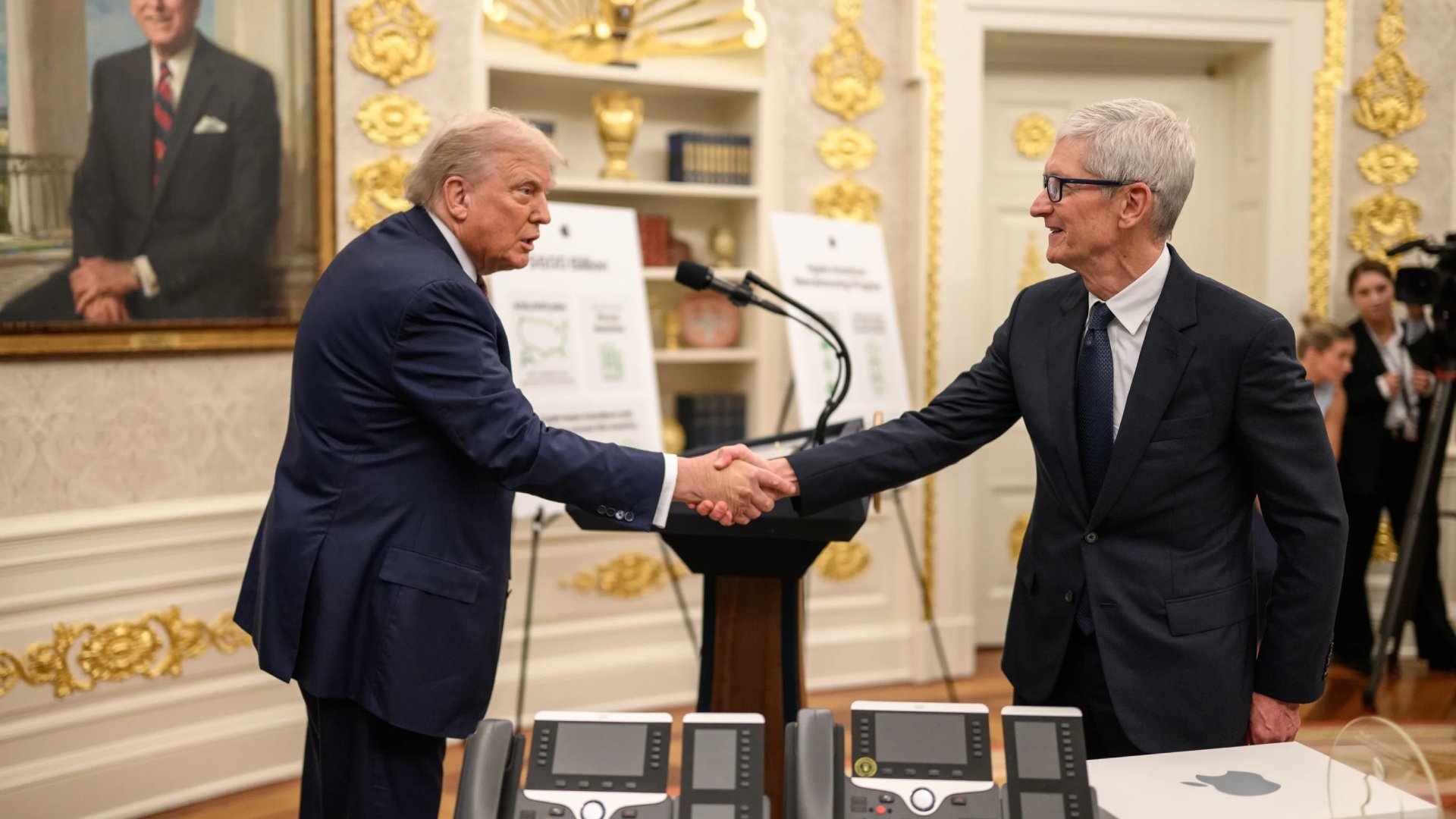
In August 2025, Apple CEO Tim Cook was in Washington to lobby the Trump administration to drop its proposed 100 percent tariff on semiconductor imports – a levy that would have raised costs across Apple's product line. Apple reportedly secured an exemption after pledging to invest hundreds of billions of dollars in the U.S., although many of those investments were already planned.
During the meetings, president Trump and commerce secretary Howard Lutnick are said to have urged Cook to use Intel's fabrication plants to make some of Apple's chips. The link between the tariff talks and the Apple-Intel deal had not been previously reported.
Almost a year later, Trump announced via his Truth Social platform that Apple would begin using Intel-made chips in some products. "We need to design and build our Chips right here in America," the president posted. The news sent Intel shares to record highs.
According to a person familiar with the negotiations cited by the WSJ, Apple plans to have Intel make chips for both Mac laptops and iPhones. The report doesn't say which chips or in what volume, and Apple is expected to remain reliant on Taiwan Semiconductor Manufacturing Company, or TSMC, for the majority of its custom silicon.
Apple hasn't looked to Intel as a supplier before, both because the chipmaker has trailed rivals like TSMC and Samsung and due to the rocky history between the two companies.
The report suggests the arrangement is part of a wider administration effort to prop up Intel, especially since the U.S. government converted $9 billion in federal grants into a 10 percent equity stake last year, making it the chipmaker's largest shareholder.
Nvidia and SpaceX have also signed deals with Intel since then, reportedly with similar pressure applied by the Trump administration.
Intel's foundry business posted $10.4 billion in operating losses over its last four fiscal quarters, and outside customers have in recent years doubted its ability to reliably produce usable silicon at a high volume. The WSJ report gives no timeline for when Intel-made chips might appear in shipping Apple products, and Apple has not commented on the arrangement.
Note: Due to the political or social nature of the discussion regarding this topic, the discussion thread is located in our Political News forum. All forum members and site visitors are welcome to read and follow the thread, but posting is limited to forum members with at least 100 posts.
Article Link: Report: Apple Agreed to Intel Chips Amid White House Tariff Talks


