When considering what desktop operating systems can do, OS X could be considered pretty limited compared to Windows (depending on how and what you use your OS for). Even running programs from the early-mid 2000s is an issue on OS X. I'd say that's a fair limitation considering the amount of software that has been produced over the years that have subsequently been rendered useless by Apple's new operating systems.
Windows also offers you more options for tinkering with how your computer performs, how much power it draws etc etc.
Apple makes those decisions for you, shock horror, like it does with iOS.
Yeah, Apple offers you the bare minimum- compared to the amount of choices in the PC world (and the ability to make your own PC), Apple offers you next to nothing. Apple offering you a few choices of screen sizes, RAM upgrades etc. is like Apple offering you the 4S and 5 (i.e. 2 screen sizes and a variety of storage and colour combinations) when compared to the wide variety of Android phones out there. The variety doesn't compare.
You talk about Android FUD, then go on to talk about Windows viruses? When was the last actual widespread Windows virus (not malware)? Windows 7 & 8 are incredibly secure these days. As long as you aren't an idiot and download everything and anything that's presented to you, it's going to be pretty hard to get malware on your PC. Android has had some pretty serious security breaches- just ask Sky UK users, not even sticking to the Play store could prevent that.
Depends on what you value! Your point on how they're different platforms etc. is also a good argument for Apple tightly controlling the experience on iOS (e.g. not placing the UI as the highest priority in the OS leads to an experience which can feel unresponsive and laggy compared to an OS which interrupts other processes to prioritise user input, something which may not make sense on a desktop OS, but makes sense on a mobile device which has limited processing power and uses touch as its input). You may not like what they've produced, or agree with some of their decisions, but a lot of people do.
I'm not, not in any way. I'm pointing out how OS X could be viewed as being inferior, depending on what you value. I like both and value them for what they are.
Okay, cool.
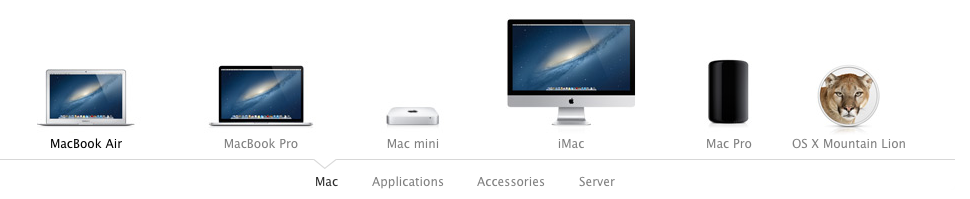
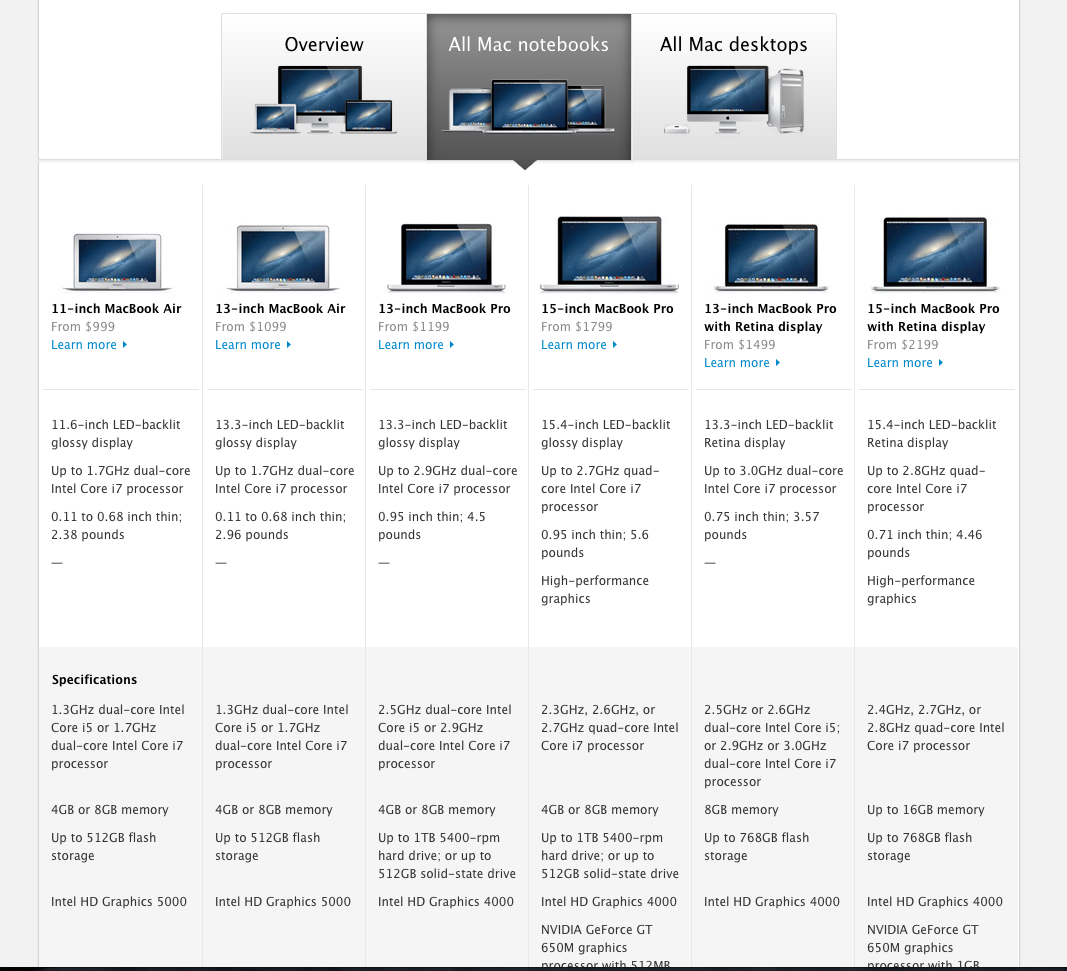
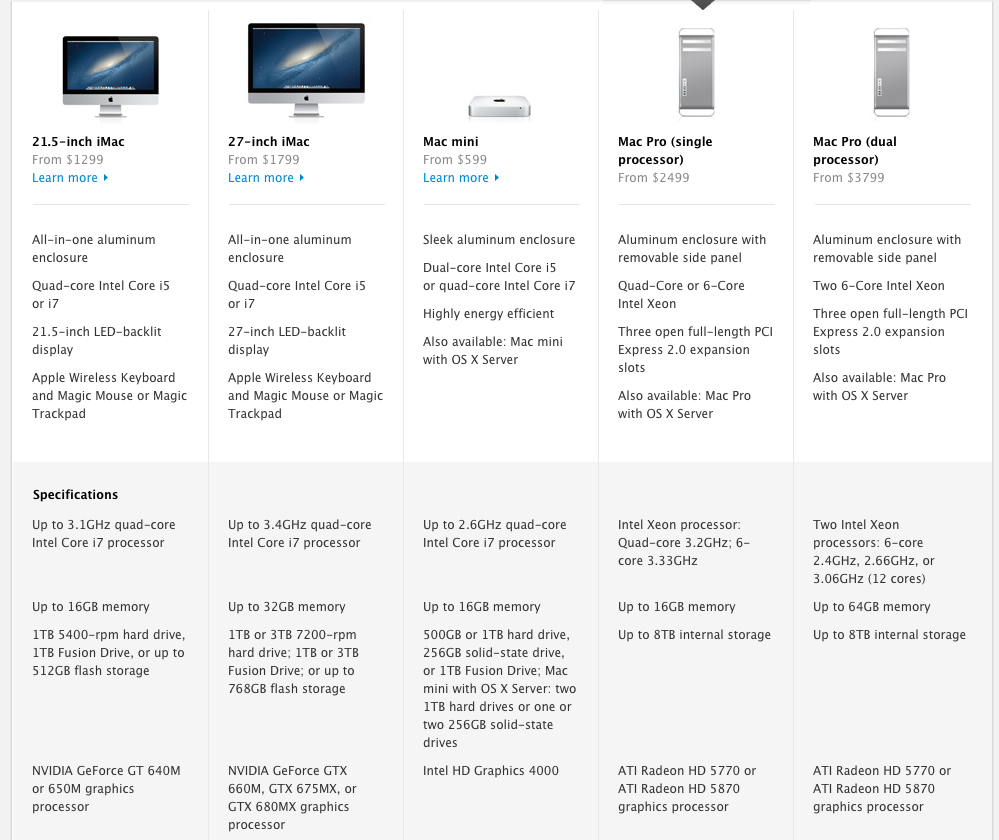
Anyway, I don't see how anyone can say Apple offers relatively the same thing with their iPhone compared to what they offer relatively with their Macs. I mean, have you visited the Mac portion of Apple's website? Do you see what populates?
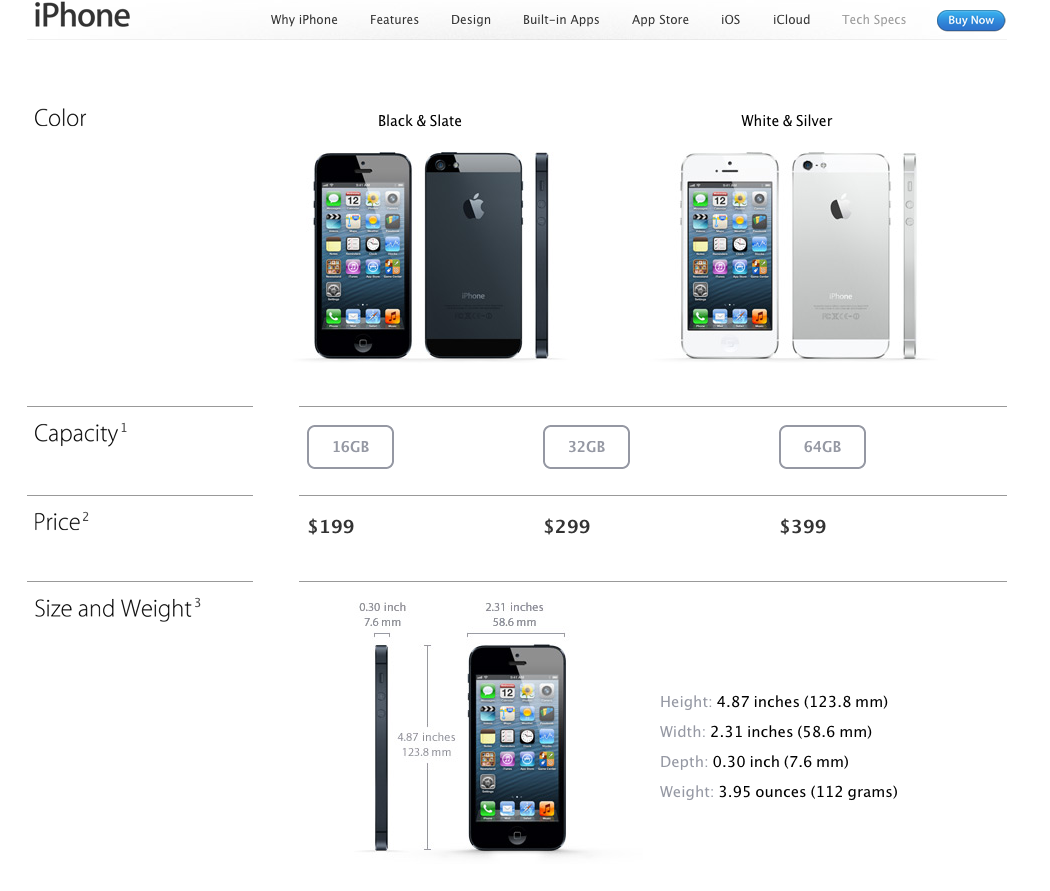
Do these pictures below really equate to the iPhone page?
Versus:
Anyway, I'm not here to argue that OSX is superior to Windows. Never made that argument -- this is a straw man that you tried to corner me into by trying to make me say "I prefer OSX" and therefore I shouldn't be able to speak objectively about other operating systems. You're just wrong. I have no problem admitting Windows is objectively superior if that's what you're telling me. But at the same time, I also don't think it's an apt comparison (never did) hardware nor software-wise. Again, yes, OSX and Apple's Mac offerings are limited compared to Windows, but its limitations are far easier to swallow than the limitations they set on iOS and iPhone hardware. Same with their software. You just don't get the level of limitations with OSX as you do with iOS. You already pointed out a couple of examples yourself (default apps, being one of them).
This is without even mentioning the fact that they are for different markets and for different uses. This is without even mentioning the plethora of peripherals that Apple creates for Macs that allow users to still use older things (SuperDrive, for example), or creating and allowing use of external hard drives (expandable storage possible on the iPhone at all?). You just don't get this sort of flexibility with iPhones.
Also, you keep mentioning how PCs are more customizable because you can put together the hardware yourself (which is true) yet fail to mention that it requires some computing knowledge to do that. You don't just throw parts together. You have to then install the software you want, etc.
Yes, this is great freedom.
But no, this is not comparable to Android. When was the last time an Android OEM sold parts for you to put together, then made you install the software?
You keep trying to draw these relative comparisons between iOS vs Android and Windows vs OSX, but it just isn't quite hitting it, is it? As I said before, just not quite apt.
So, you done? If not, you can carry on yourself.