


A leaker claims Apple is currently embroiled in an internal debate over whether MagSafe should remain a standard iPhone feature.
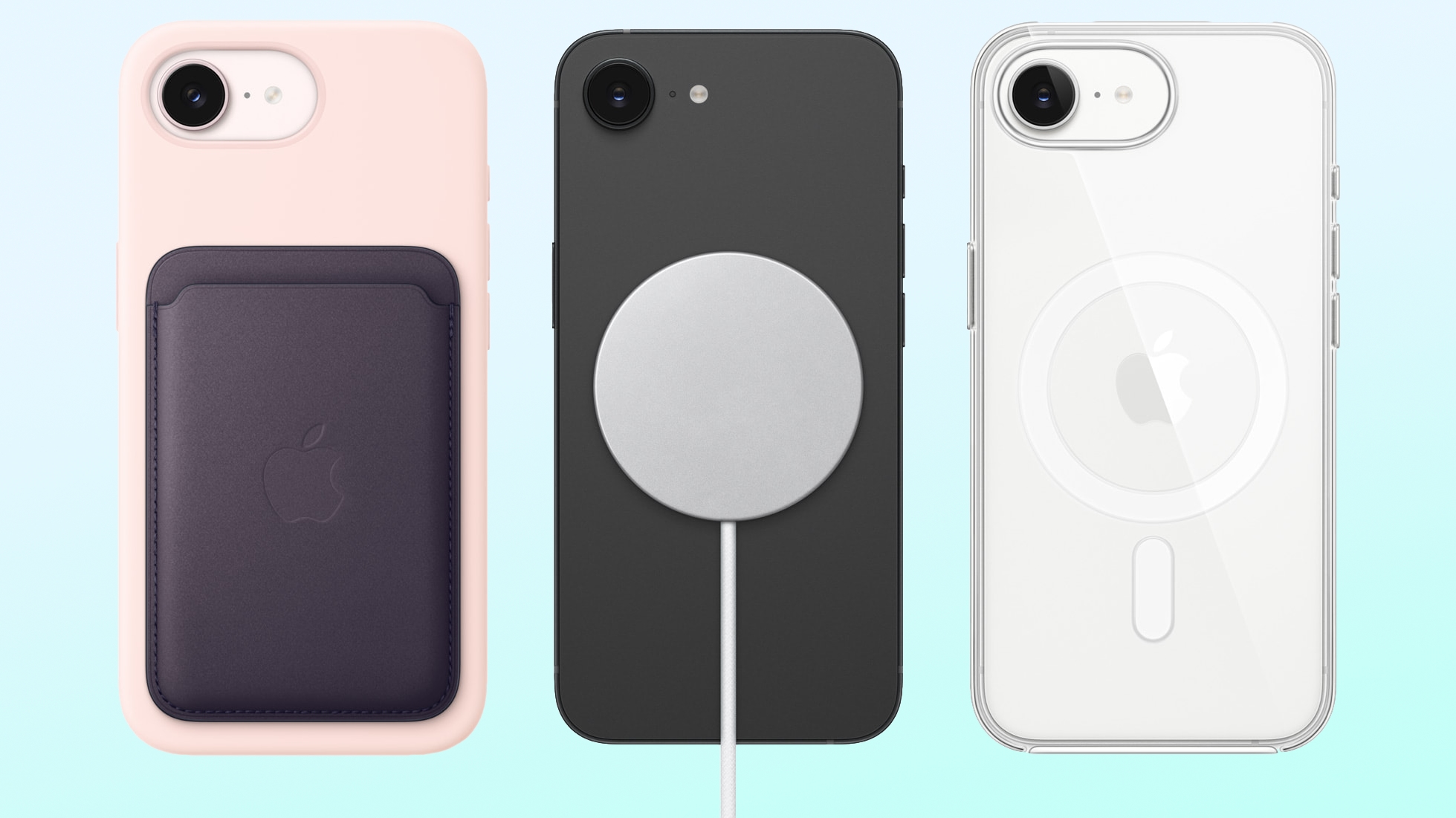
The Weibo leaker known as "Instant Digital" says that when MagSafe was first introduced, the mood inside Apple was reportedly aggressive about its expansion. MagSafe for the iPhone was introduced with the iPhone 12 lineup in 2020, bringing a ring of magnets to the back of the device for snap-on charging and accessory attachment. The ecosystem has since expanded significantly, with dozens of third-party wallets, cases, stands, and chargers built around the standard.
There were purportedly even plans to bring built-in MagSafe magnets to the iPad lineup, something the leaker previously hinted at, though those plans never materialized. Bloomberg's Mark Gurman first reported in 2021 that Apple was testing a glass-backed iPad Pro that would support wireless charging, specifically noting that MagSalfe was under consideration. A follow-up report in early 2022 suggested Apple had prototyped an iPad Pro with a large glass Apple logo that would serve as the wireless charging area, an approach aimed at avoiding the fragility of an all-glass back. Neither design made it to a shipping product. The rumors resurfaced in late 2023, with reports suggesting that the then-upcoming iPad Pro could include MagSafe support, based on information from sources familiar with Apple's magnet suppliers. The redesigned M4 iPad Pro that launched in 2024 still shipped without the feature.
Now, Instant Digital claims that confidence around MagSafe has given way to uncertainty. The leaker says Apple is weighing the costs of including MagSafe magnets in the iPhone against the strength of the accessory ecosystem that has grown up around the feature, though the nature of the debate and what any change might look like remains unclear.
The iPhone 16e launched without MagSafe, making it the first new iPhone in years to omit it. Many iPhone 16e owners, as well as users of older iPhones without built-in magnets, turned to third-party cases with embedded magnet rings as a workaround, though the experience is generally considered to be inferior to native MagSafe support. The decision nonetheless drew criticism, and Apple reversed course with the iPhone 17e, restoring MagSafe support when the device launched earlier this year.
There is no indication that MagSafe is at imminent risk of disappearing from the iPhone lineup. However, the upcoming foldable "iPhone Ultra" may be a different story. Dummy models of the device show no visible indentations for the internal magnet array that MagSafe requires, suggesting the feature could be absent at launch. The iPhone Ultra is rumored to be just 4.5mm thin when unfolded, and it is thought that the device may simply be too slim to accommodate the magnets. If that proves accurate, the iPhone Ultra would be both the most expensive iPhone ever, with a starting price rumored at around $2,000, and the first new high-end model to ship without MagSafe since the iPhone 11 Pro.
While the wording of Instant Digital's post is somewhat ambiguous, it raises the possibility that Apple could be at least considering pulling MagSafe from its standard iPhone models, potentially making it exclusive to higher-end devices. Recent reports suggest that the standard iPhone 18 is being downgraded to cut costs.
An alternative scenario could see Apple scale back its in-device MagSafe implementation, relying more heavily on cases with embedded magnets to provide compatibility, as many iPhone 16e users already do. Given that Qi2, the open wireless charging standard now widely adopted across the industry, is built directly on MagSafe's magnet ring specification, a full removal of the feature from the entire iPhone lineup seems unlikely.
Article Link: Apple Reportedly Questioning Whether iPhone Should Drop MagSafe


