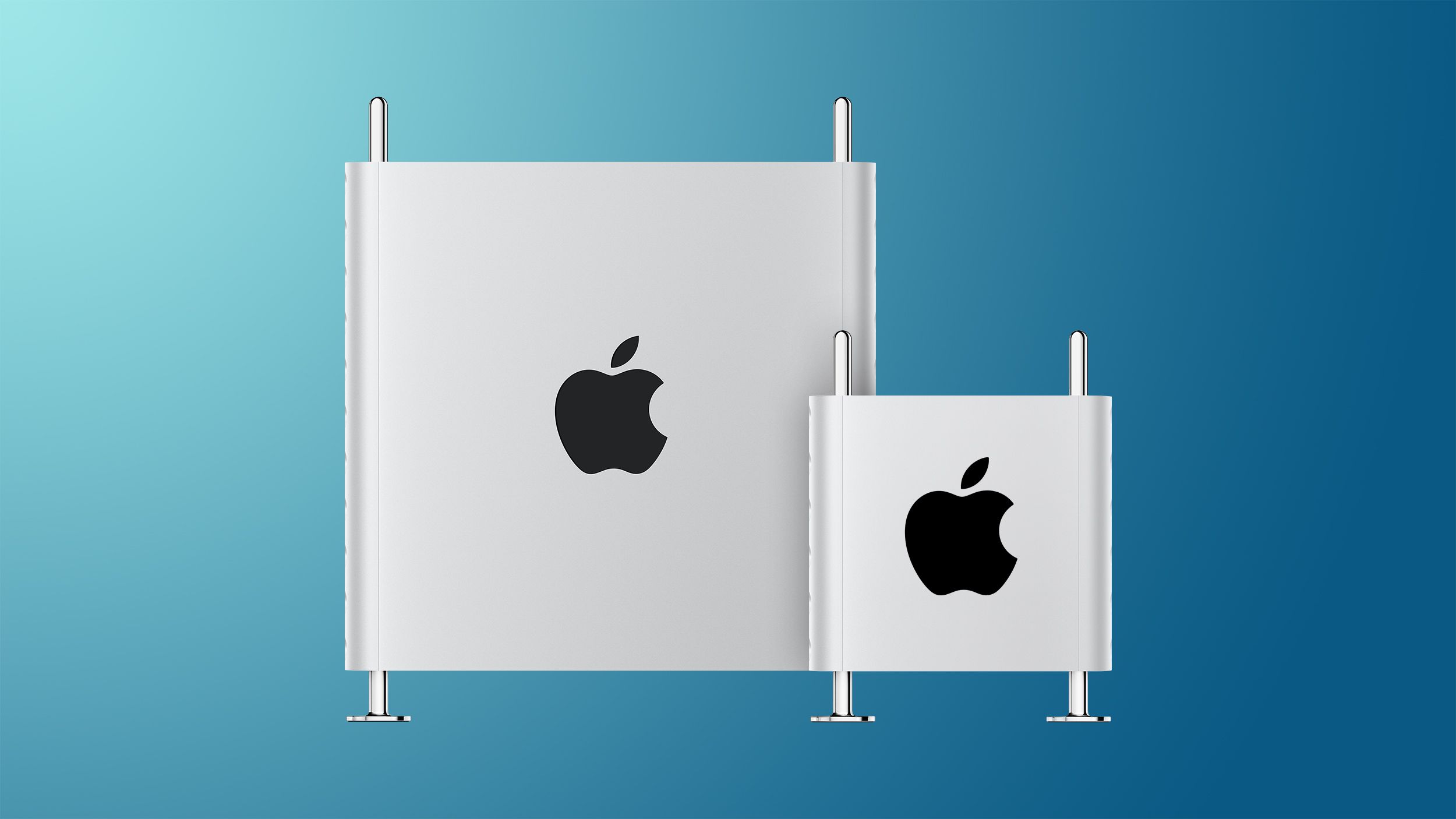
This fits the public perception we have that there was pretty clearly a power struggle within Apple over the Mac Pro, and the people who wanted it gone clearly won.
I really want to know who developed that Intel Mac Pro, and who was the driving force behind its cancellation.
I have a feeling Tim Cook had no strong feelings either way, and let his lieutenants fight it out and bring him their decision.
Either that, or his only question was to make a financial case for it. It seems engineering/marketing created a machine with no financial case.
Hope we get a book about this and the rest of Cook's tenure some day soon.
Internal struggle within Apple seems like a plausible read of the situation. I’d guess Ternus was on the side of continuing the Mac Pro, the keynote presenter at the 2019 Mac Pro’s unveiling. Competing internal priorities explains the conundrum that vexed me in 2022 before we knew if the Mac Pro would ever get updated again: why would Apple have put SO much engineering effort into designing the 2019 Mac Pro as a kickass tower workstation (including the custom MPX slots cooling solution), if they knew Apple Silicon was right around the corner and were going to abandon the new Pro “shredder” design after only 1-2 generations? Why not follow up the 2013 trash can Mac Pro with the same slot-less concept of a “2019 Mac Studio” instead?
Gurman’s report answers: yes, (some parts of) Apple did intend for the new shredder Mac Pro to be a long-lived platform designed with enough future expansion capability to support many future model revisions and even architecture transitions, just as the Power Mac G5 design became the Intel Mac Pro with only a few little tweaks. But broader company and market developments ultimately curtailed that long term vision from becoming a reality.
deconstruct60 makes the good point that the axed Intel Mac Pro was probably a speed bump update to the 2019 model, that was delayed by Intel supply to the point where it became untenable to sell within the context of the overall Apple Silicon transition. It wasn’t until M2 generation that Apple stopped selling the higher end Intel Mac Mini for example. Similarly a 2020-21 speed bump to Intel Mac Pro could have still been defensible within the architecture transition, given the niche customer base paying attention to this model.
But beyond a certain point, Apple as a company has long forced people to embrace the future by abandoning support for the past, ever since Jobs’s return and the success of the all-USB, no floppy disc iMac. And continuing to offer a newly updated Intel-based Mac Pro for very long after the launch of the Apple Silicon Mac Studio could have significantly undermined the success of the ARM transition among the market of pro customers, if it gave pro software developers an excuse to drag their feet on supporting Apple Silicon at all.
The M3 Ultra Mac Pro may also have been victim to similar supply chain limitations as the Intel Mac Pro 2020-21, as others noted. Good point ChrisA that keeping these options in the back pocket is a wise strategic imperative even if never ultimately deployed.
Apple Silicon Mac Pro’s inability to buy base model now, upgrade most components later, is a death blow to the prosumer market that represents most people posting here on MR Forums, myself included. $6000 for a computer is a very big stretch for most enthusiasts like us, but we can rationalize the initial expense if we know we’ll be able to add more RAM, CPU, GPU, internal storage later on down the road, at lower 3rd party or even used prices. Maybe in a few years we’ll be able to piecemeal our way to a $10,000 system that Apple would have charged $50,000 for.
But if we have to finance the whole desired system config upfront at Apple retail prices, sorry no that is beyond enthusiasts like us. So that shrinks the market somewhat to only the corporate buyers who can afford Apple’s full prices, which admittedly still probably accounts for the majority of the Mac Pro’s revenue to Apple anyway. But the hearts and minds of the fan base are lost, so the Apple Silicon Mac Pro goes out with a whimper. M3 Ultra Mac Studio with faster Thunderbolt 5 PCIe expansion capabilities eliminates the last remaining justification for a Mac Pro with internal PCIe slots, once GPU expansion is off the table. TB5 allows for 100 gigabit networking and basically anything else people might need a PCIe slot for.
Anyway, thanks Gurman for confirming that those of us holding out for more Mac Pro updates weren’t entirely deluded, they really did exist within Apple. (Except for the people wishing for a dream Mac Pro built with stackable “compute module” blades, yall were always dreaming!)