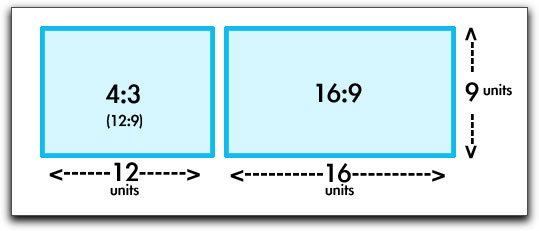
It can't. With the move to HD, most cell phones moved to a 16:9 HD Format. That resolution is a factor based on the image sensor which in this case is a 1/2.6-inch CMOS Sensor. (5312x2988) 15.8 megapixels in 16:9 format. 4:3 is just a crop from the max down from that format to a (3984x2988). Think of it as 12:9 - a shorter rectangle as pictured here:
3:2 results in a (4482x2988 image) or roughly 13.3 megapixels.
Samsung really should put a bounding-box or guides as an option when shooting at 16:9 so one can easily frame or use those as a guide to judge framing. The size of those pixels is as is the quality of the sensor. IIRC Apple's pixels are just a tad larger but the sensor has a lower resolution. All said and done I think Samsung will have a slight edge on them there.
As noted above, it's really moot as that's plenty of resolution. The MP's aren't a limiting factor in photography or this case really. Here with the Note 5 and S6 vs say the iPhones, the limiting factor impacting what we will see is going to be the image processing.
Overall I suspect Samsung will turn out the winner in the IQ Dept. but what gets me is they still have average at best image processing in-camera. Even now looking at the images off the Note 5, while very good, they could be a lot better if the processing of them was done better. Camera RAW at some point? From the Note 3 through to the Note 5 it's evident Samsung uses a stronger Noise Reduction algorithm and then a strong sharpening algorithm to bring back some details. On low light images it results in a watercolor painting effect. Really only noticeable on screen vs print. Ironically however, on-screen is where the output has been headed for some time.