


The iPhone 18 Pro and iPhone 18 Pro Max's all-new variable aperture lens will cost Apple 50% more than the camera unit used in current models, according to supply chain analyst Ming-Chi Kuo.
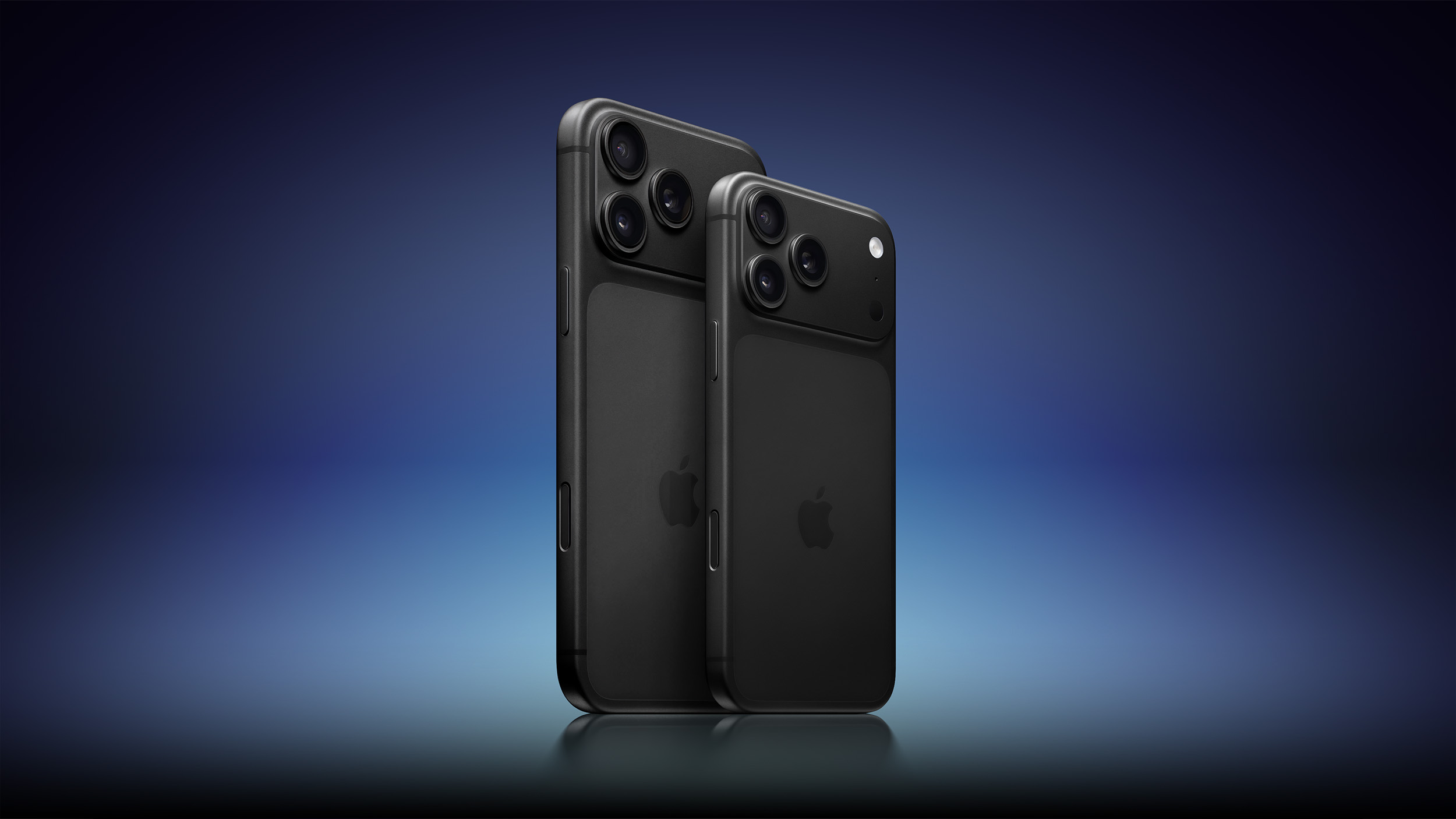
Variable aperture has been one of the most persistent iPhone camera rumors of the past few years. Kuo first flagged the feature in late 2024, and it has since been corroborated by multiple reports and apparently entered production earlier this year.
Unlike the fixed f/1.78 aperture found on every iPhone Pro from the 14 Pro through to the 17 Pro, a variable aperture will physically adjust the size of the lens opening to control how much light reaches the sensor, offering better exposure control and greater flexibility over depth of field.
Kuo said that the component has an average selling price roughly 50% higher than the seven-element plastic lens Apple currently uses in the iPhone 17 Pro's main camera. Sunny Optical set to supply Apple between 40 and 50% of orders
Sunny Optical has also become a new compact camera module (CCM) supplier for Apple, initially producing the camera for the MacBook Neo. MacBook Neo shipments have come in significantly better than expected, with Kuo doubling his 2026 forecast from 5 million to 10 million units, a notable upward revision as the entry-level Mac has materially exceeded early expectations.
Looking further ahead, the 2028 iPhone's ultra wide camera module is expected to move away from flip-chip packaging in favor of an improved COB (chip-on-board) design, with Sunny Optical well positioned to become a supplier at that point. A COB ultra-wide module could be thinner or smaller, leaving more room for other components, or simply deliver better image quality from the same physical footprint.
Beyond Apple, Kuo says Sunny Optical has secured component orders for two OpenAI devices, including a smartphone and a pocket or mobile device.
The iPhone 18 Pro and iPhone 18 Pro Max are expected to launch in the fall alongside the first foldable iPhone.
Article Link: iPhone 18 Pro's Camera Upgrade Will Cost Apple 50% More
Last edited:


