If I install Big Sur on my Intel iMac, does that mean everything that runs on it goes thru a translation layer? Or is there 2 separate codebases and 1 gets installed depending on what processor you have? What the hell is going on under the hood?
There is ONE codebase for Big Sur. This is translated to 64 bit Intel code and 64 bit ARM code. The technology for this has been available since 2005 I believe.
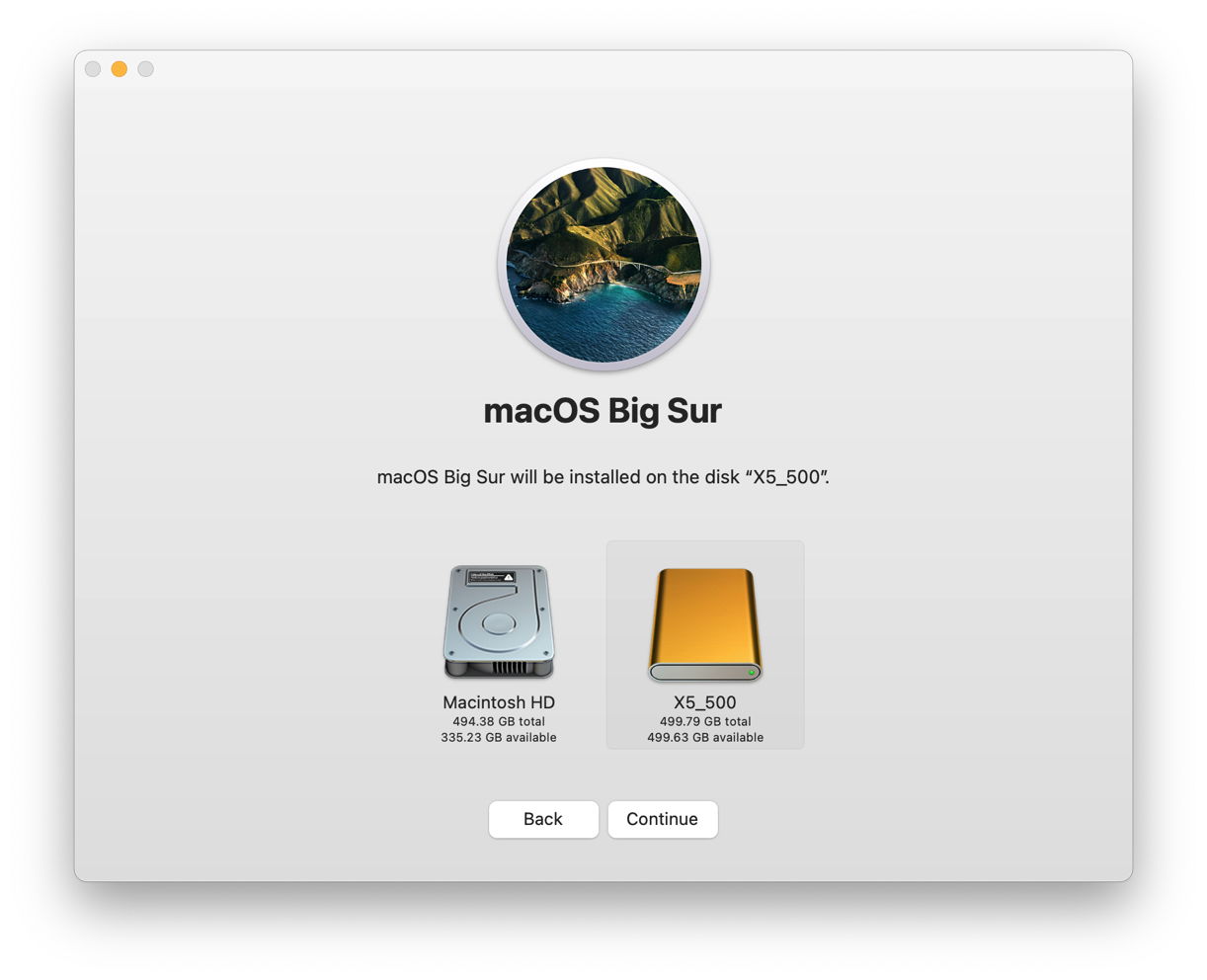
So that means you could put Big Sur on an external SSD and use it on both an Intel Mac and an M1 Mac? That's pretty cool.
Though I think it's also a huge waste of disk space… A clean install of macOS now takes 19GB of storage. And all the third-party apps have also become much larger since they have become universal. Not great for the folks with a 128GB internal drive.
There is ONE codebase for Big Sur. This is translated to 64 bit Intel code and 64 bit ARM code. The technology for this has been available since 2005 I believe.
Yeah, I heard of Universal binary before, but thought it was just for apps and it never occurred to me that the same concept could be done at the OS level