

Become a MacRumors Supporter for $50/year with no ads, ability to filter front page stories, and private forums.

MacRumors

macrumors bot
Original poster


Apple gained ground in India, Latin America, and Europe even as all three markets contracted, according to a new series of Counterpoint Research reports.
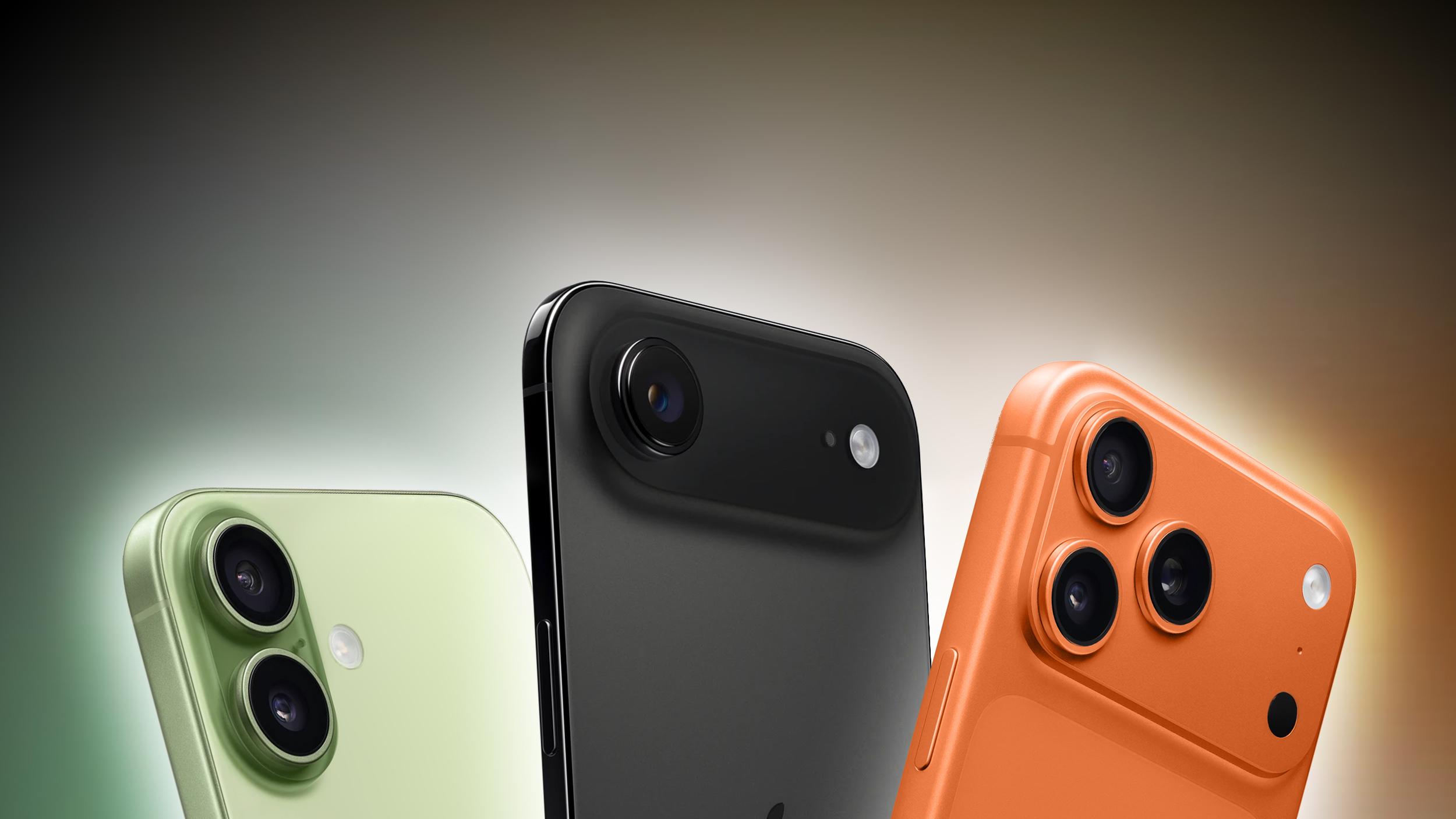
iPhone-17-17-Pro-and-Air-Feature.jpg

Between late March and the beginning of August, Indian smartphone sales ran 14% behind the equivalent stretch of 2025, and the market slipped for three straight weeks once major promotions in July had finished. Apple outperformed every rival with a 15% rise, which Counterpoint attributes to strong iPhone 17 demand holding up alongside continued affordability offers. Samsung and OPPO each grew just 4% in the country.

The research firm added that promotions are borrowing demand from the weeks either side of them, rather than growing the market. Amid broad price rises, Counterpoint expects the Indian smartphone market to finish 2026 down around 13%.

Latin American smartphone shipments fell 10% in the second quarter, which is the region's steepest annual drop since the third quarter of 2023. Apple and Samsung were the only brands to grow, by 5% and 6% respectively, while Motorola, HONOR, and Xiaomi all receded in the market. Apple's gains apparently came from absorbing component cost increases rather than passing them on to customers, and the company now accounts for roughly 51% of everything sold above $600 in the region.

European shipments dropped 10% to 35 million units, which is the weakest second quarter in three years. Apple added nine percentage points of market share to achieve parity with Samsung, with each now on 34%, and Xiaomi on 15%. No other brands sit above 4%. Counterpoint expects further declines as inventory dries up, but forecasts that Apple will continue outperforming the wider market.

The smartphone market in China was down 8.6% across the first 30 weeks of the year, with the rate of decline widening back into double digits once the popular 618 shopping festival had concluded. Apple's sales have slowed since July, with discounts pulled back across retail channels and much of the summer's demand already spent during promotions. Counterpoint expects that lull to last until the new iPhone lineup arrives. Huawei, meanwhile, led the market throughout in the region, holding more than a fifth of weekly sales since April.

Counterpoint expects constrained memory supply and elevated prices to run through the remainder of 2026, with a recovery unlikely before 2028. Apple is expected to introduce its next iPhone lineup in September, featuring the iPhone 18 Pro, iPhone 18 Pro Max, and foldable "iPhone Ultra."

Article Link: Smartphone Sales Are Falling Worldwide, But Apple Keeps Growing
 
Since phones aren't carrier subsidized and prices have gone up I can't justify the yearly upgrade anymore. I did a yearly upgrade from iPhone 1 to 14 and have had the 14 since. I imagine others feel the same way and it contributes to the decline.
 
I think with less and less carrier subsidies, we may see people go to a once-in-four-years replacement cycle, unless the new model has significant changes. That's why I'm waiting for the rumored "all glass" 2027 iPhone despite the fact I got an iPhone 16 Plus back in 2024.
 
Never trust percentages, they can be funny.
Make the calculation.


35 million sold in the EU in 2026, according to the article.

Last year’s total EU sales: (36/90)*100=40 million units.

APPLE 2025 vs 2026

34-9=25% market share.
40*0.25=10 million units sold in 2025

Now.
35*0.34=11.9 million units sold in 2026

Samsung 2025 vs 2026:


Sold in 2025
40*0.31=12.4 million units sold in 2025

Now the percentage is the same as Apple.

So Apple sold +1.9 million MORE iPhones, Samsung sold 11.9-12.4=-0.5 500k LESS phones compared to last year


The link for the EU states that the figures are about Q2. Not the whole year up to now, just Q2

The same percentage in 2026 means an increase for Apple and a decrease for Samsung, even though the latter kept its market share.
 
Last edited:
Since phones aren't carrier subsidized and prices have gone up I can't justify the yearly upgrade anymore. I did a yearly upgrade from iPhone 1 to 14 and have had the 14 since. I imagine others feel the same way and it contributes to the decline.
I held onto my 14 Pro because that purple is the GOAT; (and besides the zoom on the 17 Pro, there wasn't a single compelling reason to update in the last few years). Planning to upgrade my 12 Pro work phone to the Ultra in Sept, and will replace the 14 Pro next year. Exciting times for Apple nerds.
 
Since phones aren't carrier subsidized and prices have gone up I can't justify the yearly upgrade anymore.

What do you mean, "since phones aren't carrier subsidized?" Carriers still subsidize phones though 24 to 36 month bill credits.


Apple gained ground in India, Latin America, and Europe even as all three markets contracted, according to a new series of Counterpoint Research reports.

iPhone-17-17-Pro-and-Air-Feature.jpg

Between late March and the beginning of August, Indian smartphone sales ran 14% behind the equivalent stretch of 2025, and the market slipped for three straight weeks once major promotions in July had finished. Apple outperformed every rival with a 15% rise, which Counterpoint attributes to strong iPhone 17 demand holding up alongside continued affordability offers. Samsung and OPPO each grew just 4% in the country.

The research firm added that promotions are borrowing demand from the weeks either side of them, rather than growing the market. Amid broad price rises, Counterpoint expects the Indian smartphone market to finish 2026 down around 13%.

Latin American smartphone shipments fell 10% in the second quarter, which is the region's steepest annual drop since the third quarter of 2023. Apple and Samsung were the only brands to grow, by 5% and 6% respectively, while Motorola, HONOR, and Xiaomi all receded in the market. Apple's gains apparently came from absorbing component cost increases rather than passing them on to customers, and the company now accounts for roughly 51% of everything sold above $600 in the region.

European shipments dropped 10% to 35 million units, which is the weakest second quarter in three years. Apple added nine percentage points of market share to achieve parity with Samsung, with each now on 34%, and Xiaomi on 15%. No other brands sit above 4%. Counterpoint expects further declines as inventory dries up, but forecasts that Apple will continue outperforming the wider market.

The smartphone market in China was down 8.6% across the first 30 weeks of the year, with the rate of decline widening back into double digits once the popular 618 shopping festival had concluded. Apple's sales have slowed since July, with discounts pulled back across retail channels and much of the summer's demand already spent during promotions. Counterpoint expects that lull to last until the new iPhone lineup arrives. Huawei, meanwhile, led the market throughout in the region, holding more than a fifth of weekly sales since April.

Counterpoint expects constrained memory supply and elevated prices to run through the remainder of 2026, with a recovery unlikely before 2028. Apple is expected to introduce its next iPhone lineup in September, featuring the iPhone 18 Pro, iPhone 18 Pro Max, and foldable "iPhone Ultra."

Article Link: Smartphone Sales Are Falling Worldwide, But Apple Keeps Growing
It is truly amazing how Apple have maintained such excellent performance, all that AI jibberjabber by other manufacturers has done absolutely nothing for them, AI simply doesn’t sell phones.
 
  • Like
Reactions: boswald
Component prices - RAM, NANDs etc.

Cheaper budget brands are getting knocked out of the market, because they can't price their products as cheaply anymore.

The brands ( Apple, Samsung, Pixel) that can already charge higher prices can increase their prices and expect their customers to continue to buy.

Given this, it makes sense sales are falling overall but the big, premium brands are affected the least, so their market share actually increases.

As an analogy - in countries where alcohol and tobacco products have lower ties, there will be a lot of budget brands and a wider price range in the market overall. In countries with high taxes on tobacco and alcohol, ( as a guilt tax or negative incentive )the price range shrinks, but it's the premium brands that remain. If you're going to spend a lot of money on something, and the price range isn't that wide, you'll choose to buy an upmarket brand rather than a downmarket brand.
 
Since phones aren't carrier subsidized and prices have gone up I can't justify the yearly upgrade anymore. I did a yearly upgrade from iPhone 1 to 14 and have had the 14 since. I imagine others feel the same way and it contributes to the decline.
Why are phones not carrier subsidized?
 
It is truly amazing how Apple have maintained such excellent performance, all that AI jibberjabber by other manufacturers has done absolutely nothing for them, AI simply doesn’t sell phones.
We never asked for it either. It seems like the entire industry, overnight, decided we needed it and it was shoehorned onto us.
 
Since phones aren't carrier subsidized and prices have gone up I can't justify the yearly upgrade anymore. I did a yearly upgrade from iPhone 1 to 14 and have had the 14 since. I imagine others feel the same way and it contributes to the decline.
I think upgrading every year was a bit “greedy” past about the iPhone 10 when the improvement curve started to flatten off, but you’re right. I’m on a 13 mini and will be until it stops getting upgrades; the improvements just aren’t what they used to be. Plus it’s all AI this and AI that (which I find useful in many cases) but have little need for it on a phone.

I imagine a future contributor to the decline is the artificial price hikes thanks to AI datacenter buildouts etc.
 
We never asked for it either. It seems like the entire industry, overnight, decided we needed it and it was shoehorned onto us.
Wall Street sees money in AI and that’s why it’s being rammed down our throats. Ultimately, it may have some vital uses - such as in medical research and weather forecasting. But what’s being offered to consumers isn’t much - and most people know that. There are enthusiasts among us who enjoy working with LLMs. And that’s fine - I don’t want to rain on their parade. But most consumers are being offered what amounts to AI parlor tricks.
 
Register on MacRumors! This sidebar will go away, and you'll see fewer ads.