


Become a MacRumors Supporter for $50/year with no ads, ability to filter front page stories, and private forums.

MacRumors

macrumors bot
Original poster
Apr 12, 2001
70,780
42,705


Apple plans to upgrade the iPad mini, MacBook Pro, iPad Air, iMac, and MacBook Air with OLED displays between 2026 and 2028, according to DigiTimes.
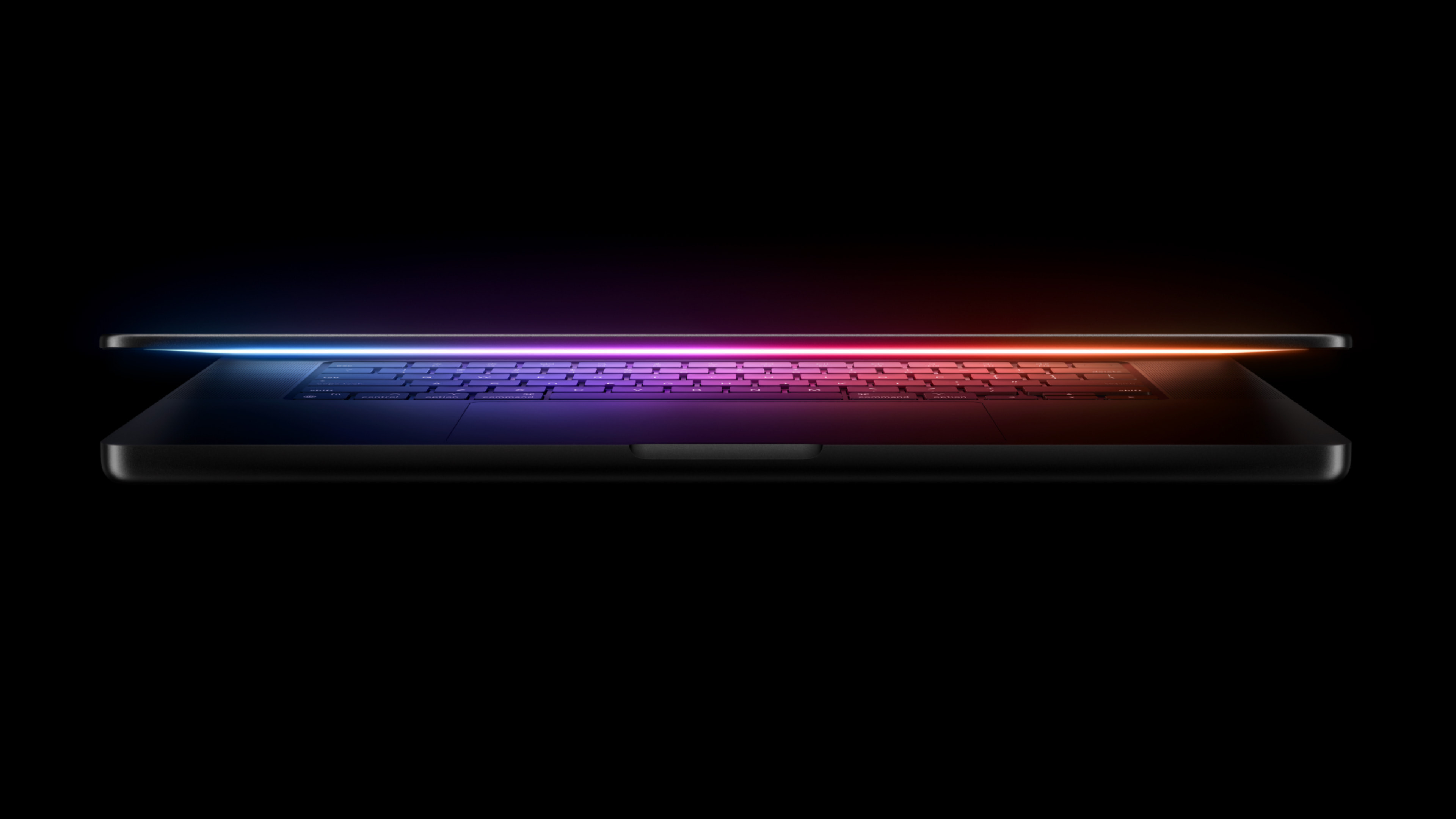
Apple-MacBook-Pro-M4-hero.jpg

Bloomberg's Mark Gurman previously reported that the iPad mini and MacBook Pro will receive an OLED display as early as this year, but he does not expect the MacBook Air to adopt the technology until 2028 at the earliest.

A new iPad Air is expected to be released this year, but Gurman said it will have an LCD display. He expects a subsequent iPad Air model to have an OLED display, suggesting that the device will not adopt the technology until at least 2027.

Last month, the South Korean publication The Elec reported that Apple is planning to release a 24-inch iMac with an OLED display in 2027 or 2028.

All in all, here is when each device is expected to get an OLED display:
  • iPad mini: 2026
  • MacBook Pro: Late 2026 or 2027
  • iPad Air: 2027
  • iMac: 2027 or 2028
  • MacBook Air: 2028
OLED displays have better overall image quality compared to LCD displays, thanks to richer colors and higher contrast ratio with true blacks.

All of the new iPhone, Apple Watch, and iPad Pro models that Apple sells today already have OLED displays, while the Apple Vision Pro has micro-OLED displays.

Article Link: These 5 Apple Products Will Reportedly Be Upgraded With OLED Displays
 
Last edited:
  • Love
Reactions: SFjohn
OLED displays have better overall image quality compared to LCD displays, thanks to richer colors and higher contrast ratio with true blacks.

And they also have a major problem with achieving brightness - particularly as the screens age. Pumping more power through OLEDS makes them degrade faster, because they're organic.

My current laptop is a 2017 MBP. It gets just as bright as a brand new MBP, despite having many hours of daily use for almost 9 years. I've yet to see an OLED display achieve that on any device.


Apple plans to upgrade the iPad mini, MacBook Pro, iPad Air, iMac, and MacBook Air with OLED displays between 2026 and 2028, according to DigiTimes.

Apple-MacBook-Pro-M4-hero.jpg

Bloomberg's Mark Gurman previously reported that the iPad mini and MacBook Pro will receive an OLED display as early as this year, but he does not expect the MacBook Air to adopt the technology until 2028 at the earliest.

A new iPad Air is expected to be released this year, but Gurman said it will have an LCD display. He expects a subsequent iPad Air model to have an OLED display, suggesting that the device will not adopt the technology until at least 2027.

Last month, the South Korean publication The Elec reported that Apple is planning to release a 24-inch iMac with an OLED display in 2027 or 2028.

All in all, here is when each device is expected to get an OLED display:
  • iPad mini: 2026
  • MacBook Pro: Late 2026 or 2027
  • iPad Air: 2027
  • iMac: 2027 or 2028
  • MacBook Air: 2028
OLED displays have better overall image quality compared to LCD displays, thanks to richer colors and higher contrast ratio with true blacks.

Article Link: These 5 Apple Products Will Reportedly Be Upgraded With OLED Displays
This will give Apple an excuse to hike prices.
 
And they also have a major problem with achieving brightness - particularly as the screens age. Pumping more power through OLEDS makes them degrade faster, because they're organic.

My current laptop is a 2017 MBP. It gets just as bright as a brand new MBP, despite having many hours of daily use for almost 9 years. I've yet to see an OLED display achieve that on any device.
The device is aging anyway. Do u know any Iphone X owner having _display_ issues?
 
The device is aging anyway. Do u know any Iphone X owner having _display_ issues?

People upgrade phones more frequently than they upgrade laptops and one of the major reasons people upgrade a phone is battery life. With OLED screens becoming significantly dimmer over time compared to LCD, people push the brightness higher in dimmer rooms to compensate which drains the battery. So a 'display issue' presents as a battery life issue - and then people upgrade.

People typically use laptops for 5+ years. I still use a 2017 MBP without issues. The screen is likely dimmer than when I first purchased it, but any brightness drop is barely noticable. I've seen a few people replace OLED televisions in the same time period though.

OLEDs have a brightness issue compared to LCDs. That's not an opinion, it's just a fact.

If the rest of the ageing device can function to your requirements, what advantage does an OLED screen provide if it's just going to need replacement or forces an expensive upgrade sooner than you would get with the current screens?
 
I feel like, at one point, Apple was hoping to jump straight from miniLED to microLED, but the latter technology is still insanely expensive and prone to low production yields. Didn’t they pour billions into R&D via their LuxVue acquisition?
is still very expensive to shrink microLED pixels down for an iphone level. Thats why we still have on large TV and now on cars (new Audi Q3)
 
The iPad mini update timelines suck! Sick of it! I will not buy an iPad Mini 7 to upgrade my 6.
 
  • Haha
Reactions: SFjohn
People upgrade phones more frequently than they upgrade laptops and one of the major reasons people upgrade a phone is battery life. With OLED screens becoming significantly dimmer over time compared to LCD, people push the brightness higher in dimmer rooms to compensate which drains the battery. So a 'display issue' presents as a battery life issue - and then people upgrade.

People typically use laptops for 5+ years. I still use a 2017 MBP without issues. The screen is likely dimmer than when I first purchased it, but any brightness drop is barely noticable. I've seen a few people replace OLED televisions in the same time period though.

OLEDs have a brightness issue compared to LCDs. That's not an opinion, it's just a fact.

If the rest of the ageing device can function to your requirements, what advantage does an OLED screen provide if it's just going to need replacement or forces an expensive upgrade sooner than you would get with the current screens?
I agree 100 percent. I could’ve upgraded to the newest iPad Pro M5 but I’m keeping my iPP M1 for said reasons. Its mini LED is still like day 1, it only needs a new battery (ok after 5 years). The OLED is a built-in part that degrades noticeably over time.
 
Eventually expecting all devices to shift to OLED. However might take some time. Think there will be 2 years gap at least between MacBook Pro and MacBook Air getting OLED. As for iMac, a bigger one than the current will be nice.
 
I agree 100 percent. I could’ve upgraded to the newest iPad Pro M5 but I’m keeping my iPP M1 for said reasons. Its mini LED is still like day 1, it only needs a new battery (ok after 5 years). The OLED is a built-in part that degrades noticeably over time.
LCDs do not face burn-in issues like OLED displays. They typically have better more consistent brightness performance.

The higher price of OLED and somewhat shorter lifespan is a huge benefit for Apple. It insures that customers will need replacements sooner, increasing the company's profits. Apple wins every time.
 
OLEDshave great colors and contrast but their own issues related to text rendering. Makes sense for Apple to love carefully
 
So 2026 is a bad year for buying Apple devices with a screen. Noted.

About OLED: I'm constantly using my LG C1 (probably late 2021) on full brightness almost since launch for movies and games with all the static HUD/info, expecting to get a noticeable quality downgrade or burn in (actually it would be burn out) but it still never occurred.

So I wouldn't worry about burn in on Apple OLED devices.
 
And they also have a major problem with achieving brightness - particularly as the screens age. Pumping more power through OLEDS makes them degrade faster, because they're organic.

My current laptop is a 2017 MBP. It gets just as bright as a brand new MBP, despite having many hours of daily use for almost 9 years. I've yet to see an OLED display achieve that on any device.
Brightness is a real issue (especially for a laptop). I ideally want a device I can use outdoors (eg when travelling). Current displays are already problematic in even moderately bright light, which can reduce productivity. Colour accuracy and contrast levels are less of an issue to me. I like, but don't need, accurate colour when working. OLED is good for TVs, but I tend not to use my laptop in dark situations (or to watch movies or play games on it - it's primarily a device for work for me). Wide viewing angles can also matter when eg giving a demo (which also favours IPS over OLED). So overall for a work machine, I would probably prefer IPS to OLED today. Maybe there will be better display technology in future that combines all advantages.
 
Brightness is a real issue (especially for a laptop). I ideally want a device I can use outdoors (eg when travelling). Current displays are already problematic in even moderately bright light, which can reduce productivity. Colour accuracy and contrast levels are less of an issue to me. I like, but don't need, accurate colour when working. OLED is good for TVs, but I tend not to use my laptop in dark situations (or to watch movies or play games on it - it's primarily a device for work for me). Wide viewing angles can also matter when eg giving a demo (which also favours IPS over OLED). So overall for a work machine, I would probably prefer IPS to OLED today. Maybe there will be better display technology in future that combines all advantages.
What are you talking about I just got a oled tv it’s a million times brighter then my former lcd also oled has way better viewing angles.
 
  • Love
  • Haha
Reactions: Cervisia and SFjohn
Register on MacRumors! This sidebar will go away, and you'll see fewer ads.