Become a MacRumors Supporter for $50/year with no ads, ability to filter front page stories, and private forums.
I was at the same time surprised to see how close a base M5 comes to matching my M3 Max MBP - it's a bit behind in multi-core and GPU, as you'd expect, but only 20% or so. I honestly hadn't realized how performant the M5 series was. Obviously, there's other differences, but it increasingly feels like I'll be buying base or Pro chips in the future, and Max will really only be for extreme users, while Ultra will remain 'money is no object' territory.
This is an important point that a lot of people are going to have a hard time accepting. As we move to the M6 and the M7 and beyond, the base M-series chip is going to be more than fast enough for the large majority of professional workflows, let alone hobbyist/prosumer needs. The days of having to buy a $2,500+ MacBook Pro or a desktop at all are going to be over for everyone except the true professional buyers, where a $2,500-$25,000 Mac is one of the cheaper pieces of equipment in their high-end workflow, and/or the purchase is being made by a business or institution.

$2,500+ Macs (the new starting price of an M5 Pro MacBook Pro) are only a tiny portion of Apple's revenue, so any hobbyists now being priced out of those configurations is a rounding error.
 
Actually, it did. The M4 mini was significantly cheaper than any Intel desktop.

The M1 and M2 Mini were not. That it took until the 3rd generation and a major form factor change is indicative that it didn't. Can hand wave to say the M4 SoC 'allowed' them to make the smaller form factor change , but that doesn't mean the SoC actually got less expensive. Apple pruned off material and ports to make the Mini smaller. Those also go toward costs.

There was a PPC mini below that M4's $599 price. And a Intel version that tied .

lower clocked G4 version $499 (Global price : https://everymac.com/systems/apple/mac_mini/specs/mac_mini_g4_1.33.html#macspecs3 )

Core Solo (Intel ) version $599 ( Global Price : https://everymac.com/systems/apple/mac_mini/specs/mac_mini_cs_1.5.html#macspecs3 )
[ The Mini drifted higher over time, but didn't start at the 2018/2020 price points. ]

M4 redesign veersion $599 ( Global Price : https://everymac.com/systems/apple/...ore-cpu-10-core-gpu-2024-specs.html#macspecs3 )
 
  • Like
Reactions: magbarn
I remember when Tim Cook promised less expensive Apple Silicon systems during the announced switch from Intel.

Tim Cook did not do that. There were references to other aspects that Apple Silicon was going to enable , but Apple overly promising less expensive systems? That didn't happen. The 'echo chamber' of Macrumors spun that story. But that isn't based on accurate protrayal of what Apple officially said.

Go back and try to dig (ed.) up an official Apple video or documentation that states that.
 
Last edited:
  • Like
  • Disagree
Reactions: seek3r and CDPlayer
No one is arguing those fair points. Cook stated AS would be cheaper. So far we had one base spec Mac mini and a fully specced out Mac Pro as rebuttals, which neglects the majority in between which haven’t.

Apple didn't state cheaper. WWDC 2020
( about 1:25 on timeline)
[ and back to Tim again at about 1:45 ]

Apple/TIm mentioned making "much better products". "take Mac to the next level" ... "Mac will be stronger and more capable" "common architecture" ..

That the 'lower' Apple Silicon chips would outperform the 'higher end' Intel chips only means 'cheaper' is your workload computational demands plateaued . The Mac Pro didn't get 'cheaper' with the AS transition (an Mac Pro vs newer Mac Pro). The transition substitute for the large screen iMac didn't become a cheaper system ( the LCD panel got ejected. So had to buy that separate. Mini M1 and M2 ... no major jump. When the M2/M3 MBA came along and Apple was still selling an M1 MBA as a Walmart special. That is selling 'old' stuff not particularly cheaper.

2020 MBA (Intel) $999 ( https://everymac.com/systems/apple/...ina-display-2020-scissor-specs.html#macspecs3 )
2020 MBA M1 $999 ( https://everymac.com/systems/apple/...u-13-retina-display-2020-specs.html#macspecs3 )

2019 Intel iMac 24 $1,299 ( https://everymac.com/systems/apple/...num-retina-4k-early-2019-specs.html#macspecs3
2020 M1 iMac $1,299 ( https://everymac.com/systems/apple/...inch-retina-display-2021-specs.html#macspecs3 )
[ Intel version actually has a Ethernet port, M1 variant doesn't. To get the port back is actually higher. ]


The Perf/Watt and Perf/$ got better. But the notion that "Intel has high markups and Apple is going to save us from that " is something that Apple never promised.
 
  • Like
Reactions: seek3r and CWallace
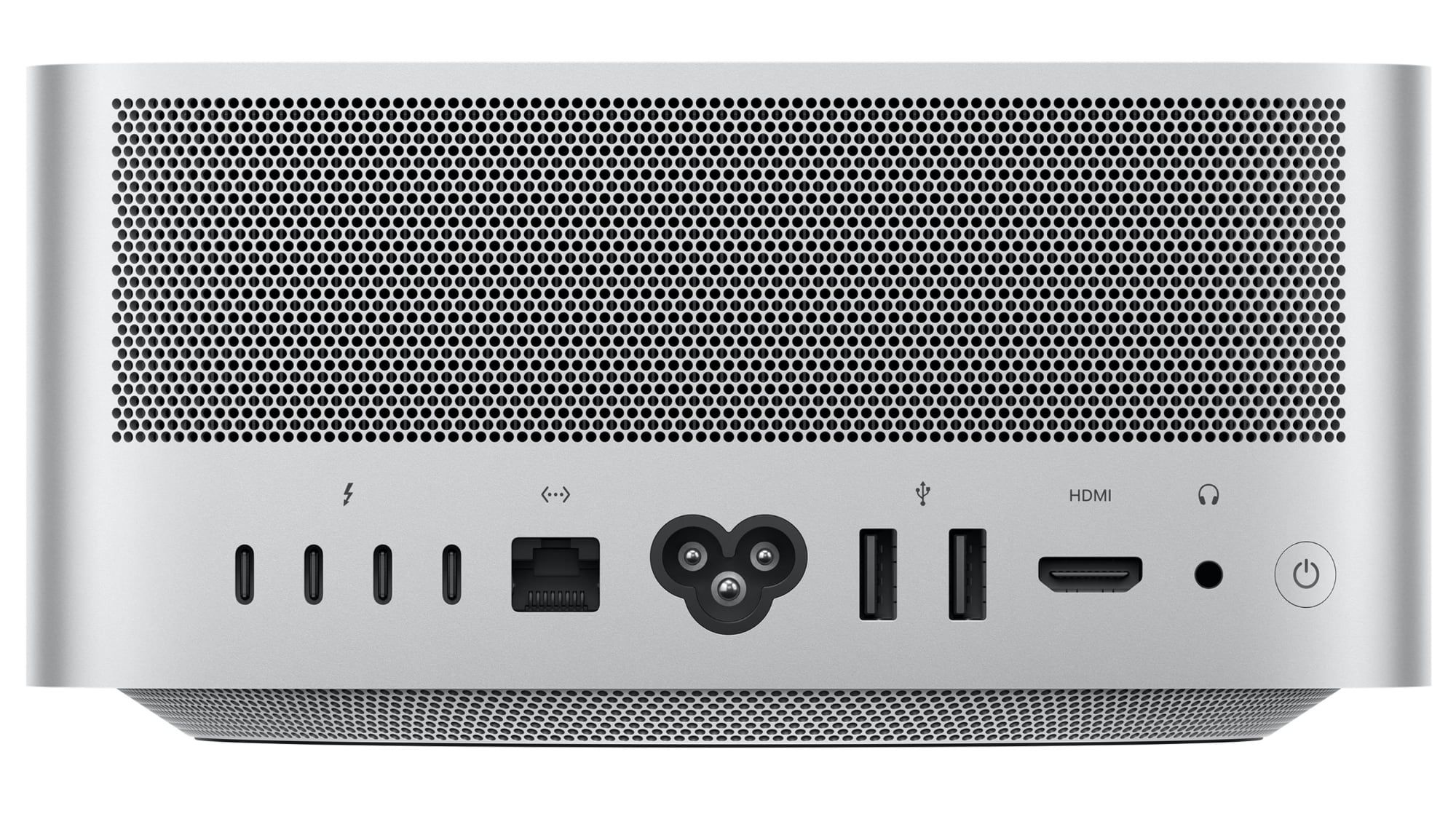
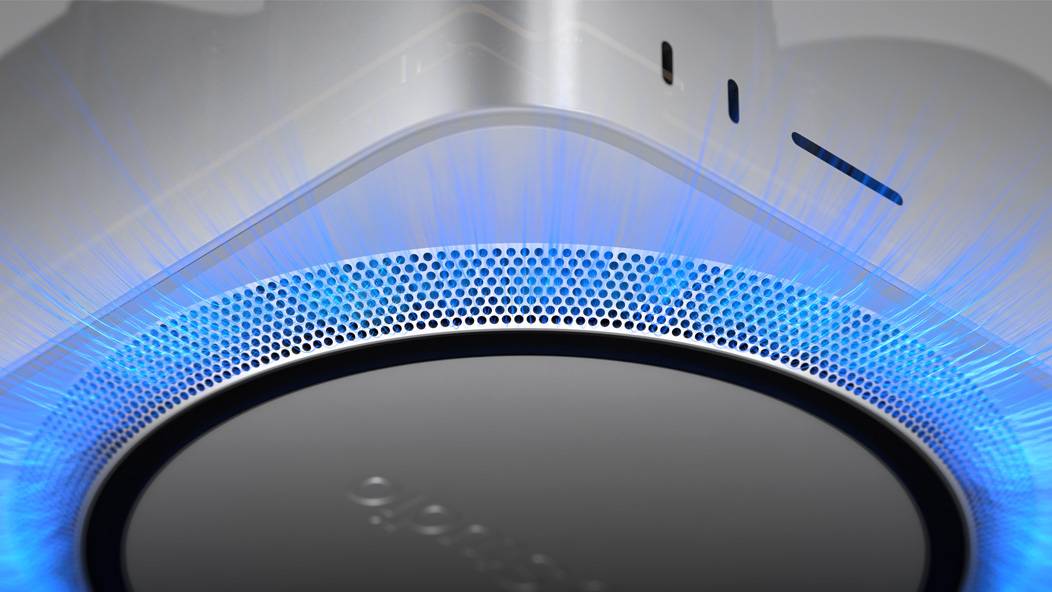
So with a new heatsink there will be a new fan, yes?

The actually spinning components of the fans ( there is more than one). The ducting around the fans likely has changes (especially if the power supply heat generation goes up and still stacked underneath). Also the SoC packaging on the M7 could be harder to cool if there are some stacked active dies in there (which means simply just 'gluing' a plate to the top may not be sufficient). Additionally, there may be more memory packages (or 'hotter' ones ) so the thermal solution may need to pay more direct service to those.

Also question if Apple is going to target same noise thresholds for the Ultra as opposed to the Mac version ( run fans faster and can cool a larger temperature range ).

There is no Mac Pro so if Studio got very slightly bigger that would not be a major problem.
If the M7 Pro still fits well inside the "reduced Mini" enclosure then some folks who need 'smaller enclosure" can use that.


Or are they simply changing the materials the heatsink is made of to make it more conductive? I wonder what they're made from now...

has been Aluminum and Copper
 
The actually spinning components of the fans ( there is more than one). The ducting around the fans likely has changes (especially if the power supply heat generation goes up and still stacked underneath). Also the SoC packaging on the M7 could be harder to cool if there are some stacked active dies in there (which means simply just 'gluing' a plate to the top may not be sufficient). Additionally, there may be more memory packages (or 'hotter' ones ) so the thermal solution may need to pay more direct service to those.

Also question if Apple is going to target same noise thresholds for the Ultra as opposed to the Mac version ( run fans faster and can cool a larger temperature range ).

There is no Mac Pro so if Studio got very slightly bigger that would not be a major problem.
If the M7 Pro still fits well inside the "reduced Mini" enclosure then some folks who need 'smaller enclosure" can use that.


has been Aluminum and Copper
Copper and aluminum is standard, right? What could the next material be, a lower-quality gold as someone else suggested? (We have gold-tipped HDMI cables so it wouldn't be completely out of the question.) Also, does Apple prioritize quiet operation over thermal performance? If so, would an app like MacsFanControl still be necessary, even with a beast of a machine like the M7?
 
According this this tweet by Yogesh Brar, Apple makes a 60% margin on it's devices, may want to remember that when dropping 6K for the base Mac Studio with an M7 in it..

And some people here will defend this til their dying breath.

We’ve seen record profits as corporations use inflation to excuse it and rob us blind. This entire AI insanity is simply more of the same.
 
It seems Apple is adopting a tick tock model with the M Ultra.

That is absolutely not the 'tick tock' model.
" ... Under this model, every new process technology was first used to manufacture a die shrink of a proven microarchitecture (tick), followed by a new microarchitecture on the now-proven process (tock). ..."

Completely skipping a complete microarchitecture generation is not a shift of focus from fab process 'wins' to microarchitectural 'wins'.

Intel applied 'Tick Tock' to their entire consumer CPU processor line up for each release for several years. ( The server side moved slightly slower and would re-use the I/O support chips a bit longer. But again applied to the serve segment that reused the same baseline CPU core design with cache and feature augments. ). It is absolutely not a mechanism for dealing with low volume, 'niche' products.

Even when Intel was using "tick tock" though they did not throw 'tick' in the trash can (stop selling) when 'tock' came out. Throwing away chips on a yearly schedule very often doesn't particularly work well as need to recoup all the development costs in a relatively short period of time on a limited set of products. The "Ultra" and "Max" really don't have any Apple 'hand me down' product placements to use. The iPHone Pro Ann Pro die , now that a different size and makeup than regular one. Same problem, which is why stuff iPad Mini, and AppleTV and Neo are being pressed into 'hand me down' service.

Apple avoiding larger ( more expensive to design and construct) , lower volume chip packages has more to do with them not being profitable to make. Tick-Tock has relatively little to do with profitability and far more to do with control tech risk problems. Take a working system and change a limited scope significantly reduces the likelihood of running into more problems. That was a major contributor to how Intel went down the rabbit hole. The fab process rollout process got delayed and then tried to change a vastly higher number of things all at once. That proceeded to dig a bigger and bigger hole.

The Ultra itself was a compromise to control costs since the versions up until now have 'reused' a Max to get to an Ultra. [ Apple is being a bit opaque how the Max is constructed so hard to tell if M5 Ultra will be two Max subcomponent sets 'glued' together. ]

So far we have the 1 and 3 and quite likely the 5. Makes sense given the niche market esp now

M1 Ultra , M2 Ultra , M3 Ultra. The M2 variant probably a bit a 'fuke' do in part to getting the line up with mix of pandemic , no "bigger than Ultra" solution (hence Mac Pro blows past 2 year transition timeline) , and N3 ( N3A --> N3B and fab roll out hiccups). The Ultra was always likely a odd-number or even-number sequence over the long term due to economics.

As for niche market.... Apple is having trouble keeping the Studio's in stock. Selling out isn't particularly niche.
( select a Ultra Studio at Apple Online store it and is saying Oct/Nov to pick up. ). In part there is no Mac Pro because Apple doesn't have any 'spare' Ultras to put into a Mac Pro. Yes, lack of memory is playing a role, but the major root cause of lack of memory is relatively high demand. "high demand" factors are not 'niche'.

There is decent chance Apple's resources are being spread thin also.

" ... At least a trio of companies are believed to be involved with the chip. Apple is said to be handling the overall design of the chip, while Broadcom is said to be providing some networking technology for it. TSMC is expected to begin mass production of the chip in 2026, using its third-generation 3nm process, known as N3P ..."

The R1 and possibly chips specifically for the smart glasses are also going to take resources away.

 
That is absolutely not the 'tick tock' model.
" ... Under this model, every new process technology was first used to manufacture a die shrink of a proven microarchitecture (tick), followed by a new microarchitecture on the now-proven process (tock). ..."

Completely skipping a complete microarchitecture generation is not a shift of focus from fab process 'wins' to microarchitectural 'wins'.

Intel applied 'Tick Tock' to their entire consumer CPU processor line up for each release for several years. ( The server side moved slightly slower and would re-use the I/O support chips a bit longer. But again applied to the serve segment that reused the same baseline CPU core design with cache and feature augments. ). It is absolutely not a mechanism for dealing with low volume, 'niche' products.

Even when Intel was using "tick tock" though they did not throw 'tick' in the trash can (stop selling) when 'tock' came out. Throwing away chips on a yearly schedule very often doesn't particularly work well as need to recoup all the development costs in a relatively short period of time on a limited set of products. The "Ultra" and "Max" really don't have any Apple 'hand me down' product placements to use. The iPHone Pro Ann Pro die , now that a different size and makeup than regular one. Same problem, which is why stuff iPad Mini, and AppleTV and Neo are being pressed into 'hand me down' service.

Apple avoiding larger ( more expensive to design and construct) , lower volume chip packages has more to do with them not being profitable to make. Tick-Tock has relatively little to do with profitability and far more to do with control tech risk problems. Take a working system and change a limited scope significantly reduces the likelihood of running into more problems. That was a major contributor to how Intel went down the rabbit hole. The fab process rollout process got delayed and then tried to change a vastly higher number of things all at once. That proceeded to dig a bigger and bigger hole.

The Ultra itself was a compromise to control costs since the versions up until now have 'reused' a Max to get to an Ultra. [ Apple is being a bit opaque how the Max is constructed so hard to tell if M5 Ultra will be two Max subcomponent sets 'glued' together. ]


M1 Ultra , M2 Ultra , M3 Ultra. The M2 variant probably a bit a 'fuke' do in part to getting the line up with mix of pandemic , no "bigger than Ultra" solution (hence Mac Pro blows past 2 year transition timeline) , and N3 ( N3A --> N3B and fab roll out hiccups). The Ultra was always likely a odd-number or even-number sequence over the long term due to economics.

As for niche market.... Apple is having trouble keeping the Studio's in stock. Selling out isn't particularly niche.
( select a Ultra Studio at Apple Online store it and is saying Oct/Nov to pick up. ). In part there is no Mac Pro because Apple doesn't have any 'spare' Ultras to put into a Mac Pro. Yes, lack of memory is playing a role, but the major root cause of lack of memory is relatively high demand. "high demand" factors are not 'niche'.

There is decent chance Apple's resources are being spread thin also.

" ... At least a trio of companies are believed to be involved with the chip. Apple is said to be handling the overall design of the chip, while Broadcom is said to be providing some networking technology for it. TSMC is expected to begin mass production of the chip in 2026, using its third-generation 3nm process, known as N3P ..."

The R1 and possibly chips specifically for the smart glasses are also going to take resources away.
🎵 let it go! Let it go! 🎶 I’m not reading all that. I have work and a book to read
 
Copper and aluminum is standard, right? What could the next material be, a lower-quality gold as someone else suggested?

They don't need a new material to change the shape and structure of the heat sink. (e.g., some iphones are using vapor chamber ... that isn't a 'alien technology' new metal solution. ). Probably not going to out perform copper. How you get the heat to the copper that interacts with the air blown by the fans could make a substantive difference.

Part of the new Mac Mini enclosure reduction was driven by changes Apple bragged about as being innovated. Decent chance similar techniques would be applied to Studio is allowed to substantively change the internal layout.


(We have gold-tipped HDMI cables so it wouldn't be completely out of the question.) Also, does Apple prioritize quiet operation over thermal performance?

Yes. Apple in several cases runs their fans at the lower end of RPMs and set higher internal thermal targets. Apple doesn't conservatively run cooler than normal systems.

If so, would an app like MacsFanControl still be necessary, even with a beast of a machine like the M7?

'necessary' is driven more by individual use case.
 
  • Like
Reactions: boswald
I remember when Tim Cook promised less expensive Apple Silicon systems during the announced switch from Intel.

Of course, that never happened and now with AI technocrats we can have the same systems for thirty to forty percent more. I can’t wait to sell a kidney when it comes time to update my M Ultra.

The cheapest Intel-based MacBook in 2019 was a MacBook Air at $1099. It had a Geekbench single-core score of 1156 and a multicore score of 3924. The current MacBook Neo is $699, has a single-core score of 3461 and a multicore score of 8668.

Adjusted for inflation that 2019 Intel Macbook would be $1441.50 today. So, the Neo is 3x the machine at less than half the price.

Let's do some arithmetic. The median weekly gross pay in 2019 was $917. To buy the cheapest MacBook, it would have required saving up 1099/917=1.198 weeks of gross pay. Today, the median weekly gross is $1,235. So, buying the cheapest MacBook today requires saving up 699/1235=0.566 weeks of gross pay.

It looks like Tim Cook delivered.
 
  • Like
Reactions: CWallace
The M1 and M2 Mini were not. That it took until the 3rd generation and a major form factor change is indicative that it didn't. Can hand wave to say the M4 SoC 'allowed' them to make the smaller form factor change , but that doesn't mean the SoC actually got less expensive. Apple pruned off material and ports to make the Mini smaller. Those also go toward costs.

There was a PPC mini below that M4's $599 price. And a Intel version that tied .

lower clocked G4 version $499 (Global price : https://everymac.com/systems/apple/mac_mini/specs/mac_mini_g4_1.33.html#macspecs3 )

Core Solo (Intel ) version $599 ( Global Price : https://everymac.com/systems/apple/mac_mini/specs/mac_mini_cs_1.5.html#macspecs3 )
[ The Mini drifted higher over time, but didn't start at the 2018/2020 price points. ]

M4 redesign veersion $599 ( Global Price : https://everymac.com/systems/apple/...ore-cpu-10-core-gpu-2024-specs.html#macspecs3 )

$499 in 2006 is worth $892.60 today.
$599 in 2006 is worth $995.73 today.

Median gross salary 2006 = $671
Median gross salary today = $1235

499/671=0.744 weeks of gross salary to buy a Mac mini G4 in 2006.
599/671=0.893 weeks of gross salary to buy an Intel Mac mini in 2006.
599/1235=0.485 weeks of gross salary to buy a Mac mini M4 on release in 2026.
799/1235=0.647 weeks of gross salary to buy a Mac mini M4 after price hikes due to memory shortage in 2026.
 
This is an important point that a lot of people are going to have a hard time accepting. As we move to the M6 and the M7 and beyond, the base M-series chip is going to be more than fast enough for the large majority of professional workflows, let alone hobbyist/prosumer needs. The days of having to buy a $2,500+ MacBook Pro or a desktop at all are going to be over for everyone except the true professional buyers, where a $2,500-$25,000 Mac is one of the cheaper pieces of equipment in their high-end workflow, and/or the purchase is being made by a business or institution.

$2,500+ Macs (the new starting price of an M5 Pro MacBook Pro) are only a tiny portion of Apple's revenue, so any hobbyists now being priced out of those configurations is a rounding error.
This is very true,
I bought a Quad Mac Pro 2010 in 2013. 2012 mini was not going to what I wanted. Upgraded the Mac Pro to the w3690 hex core, GTX680 and SSD. No other desktop near that at the time.
That was replaced with equiv of iMac 2019 in hackintosh form, which replaced in 2022 with M1 Max Studio.
Mini had no ProRes encode/decode in M1.
Rarely hit more then 16gb memory usage, never seen memory pressure leave green.
Due to encoders then even CPU not fussed.
My replacement likely to be just a base M series likely M10 mini.
Hopefully the M10 Mini be less then tne M1 Max Studio still.
 
The cheapest Intel-based MacBook in 2019 was a MacBook Air at $1099. It had a Geekbench single-core score of 1156 and a multicore score of 3924. The current MacBook Neo is $699, has a single-core score of 3461 and a multicore score of 8668.

Adjusted for inflation that 2019 Intel Macbook would be $1441.50 today. So, the Neo is 3x the machine at less than half the price.

Let's do some arithmetic. The median weekly gross pay in 2019 was $917. To buy the cheapest MacBook, it would have required saving up 1099/917=1.198 weeks of gross pay. Today, the median weekly gross is $1,235. So, buying the cheapest MacBook today requires saving up 699/1235=0.566 weeks of gross pay.

It looks like Tim Cook delivered.
The Macbook Neo is considered a tier below the macbook air. Not exactly a 1:1 comparison. Lack of true tone, keyboard backlight, touch id on base Neo, USB 2.0 on one port, and cheap trackpad are definite downgrades
 
The Macbook Neo is considered a tier below the macbook air. Not exactly a 1:1 comparison. Lack of true tone, keyboard backlight, touch id on base Neo, USB 2.0 on one port, and cheap trackpad are definite downgrades

The areas in which the old MacBook Air are superior aren't trivial, but there are far more non-trivial ways in which the Neo is superior: 6 CPU cores vs 4 threads, dramatically better GPU (60GB/s vs 34GB/s memory bandwidth; hardware ray tracing, hardware mesh shading, AV1 and ProRes engines, integrated 8GB memory vs 1.5GB of shared memory), Neural engine vs. none (orders of magnitude better AI/ML), 500 nits vs. 400 nits, 12MP camera vs 720p, 16 hr battery life vs 12-13hr, Wi-Fi 6e vs. Wi-Fi 5, and larger base SSD configuration.

The performance of the Neo is hands-down superior on all measures: 3x single core; up to 7x multi-core; up to 15x GPU; 20x+ on ML inference; 5x on photo editing...

The point is Cook's promise of less expensive Apple Silicon systems was kept. In general, Apple has been delivering its promises with respect to Apple Silicon in brilliant and unexpected ways.
 
Last edited:
Register on MacRumors! This sidebar will go away, and you'll see fewer ads.