Thanks for the information on Square trade; I'm learning something today.
I think "Mal" explains much better than I do, but let me try again. Let us say there are two kinds of people: laptop abusers and non-abusers. Say there are only two laptops, Asus and Apple. For simplicity, let's assume that the ratio of abusers and non-abusers are identical for Asus buyers and for Apple buyers. Warranty for Asus is two years for free, but it's only one year for Apple. Again for simplicity, let's say both of the notebooks die exactly in two years. Asus abusers do not have to buy warranties (as it's already free), but Apple users have different story. Probably Apple abusers are more likely to buy warranties, but apple non-abusers are less likely to buy warranties, so let's say all the Apple abusers buy warranties, but no Apple non-abusers buy warranties. Thus, between year 1 and year 2, we must observe higher failure rate of Apple computer than that of Asus computer since the data is only from those who have warranties (note that the failure rate for Asus computer includes non-abusers and abusers, but the failure rate for Apple computer includes ONLY abusers).
Of course, I'm not saying that the data you provided implies that Apple computer is less likely to break down. I'm just saying that the data is kind of useless to see the real break-down rate. However, personally, seeing that there is only very tiny difference of the break-down rate in two years between Asus and Apple, I think that it's quite likely that Apple in fact has lower break-down rate.
But, seriously, "Mal" can explain much better than I do. 🙂 🙂


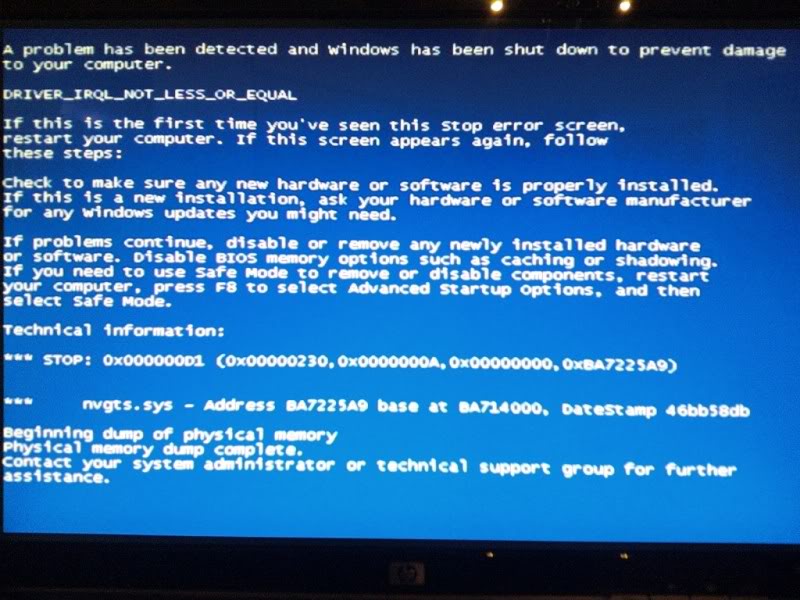


 customer service!!!